Skip to content
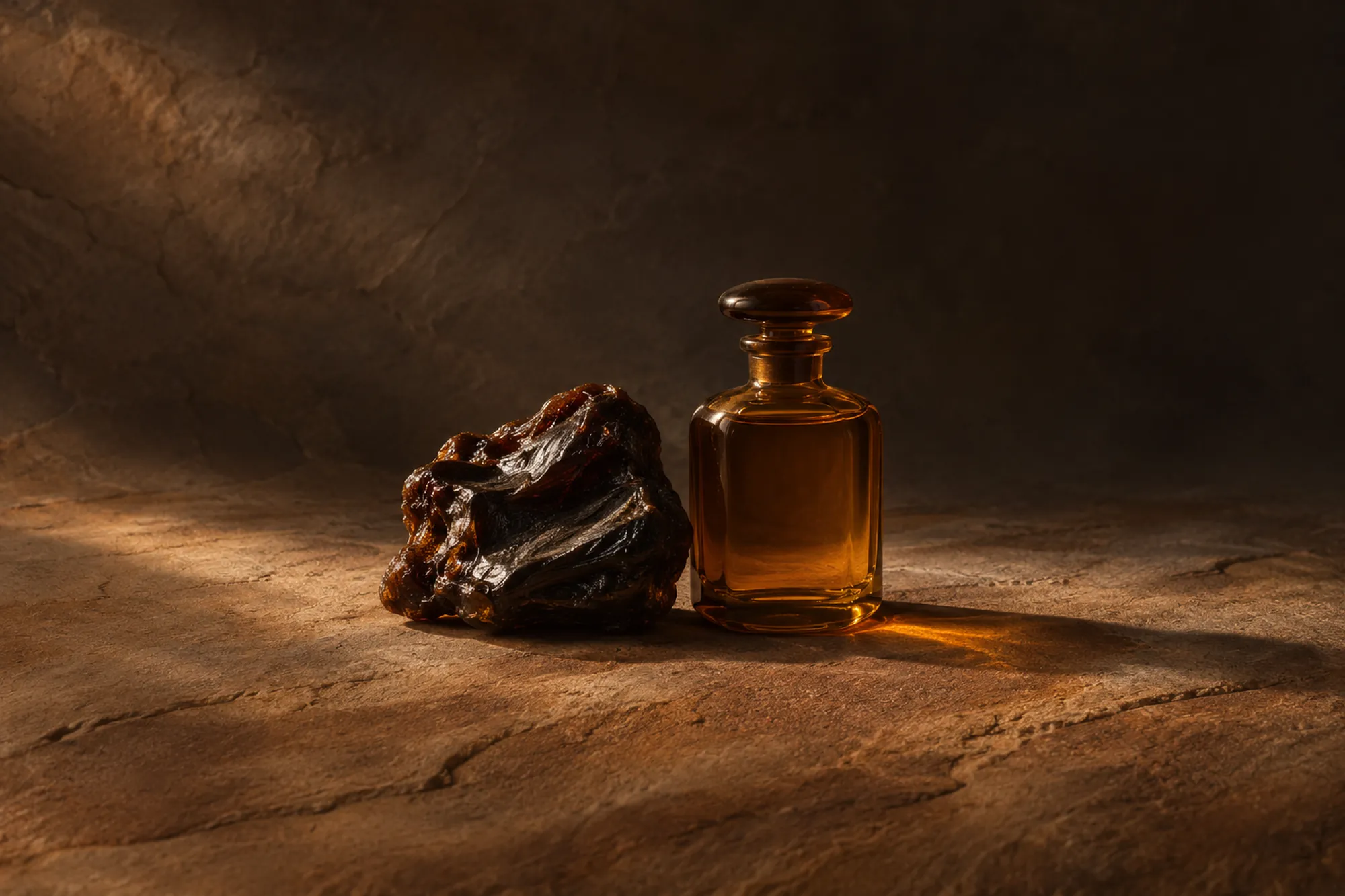
Labdanum is a dark, sticky resin from the rockrose shrub, and in perfume it smells warm and leathery, with a dry sweetness underneath. If you have ever read “amber” in a list of notes, you have very likely smelled it already. Amber in perfumery is a blend of materials, and labdanum is the one that gives the blend its depth.
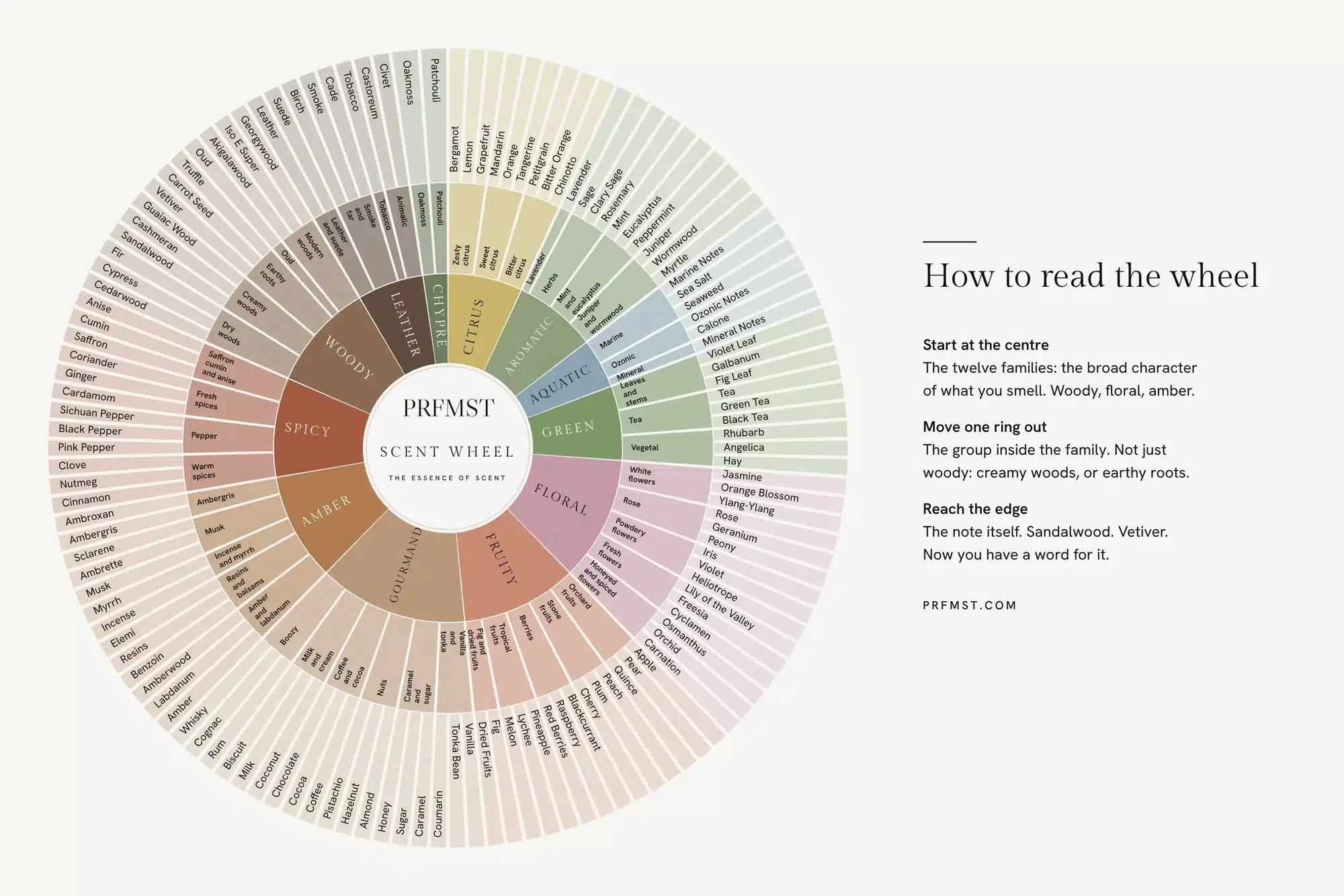
It is the backbone of the amber family, one of the twelve in our guide to the 12 fragrance families, and it turns up in chypres and leathers as well. Here is what makes a labdanum perfume, and five to try.
Where labdanum comes from
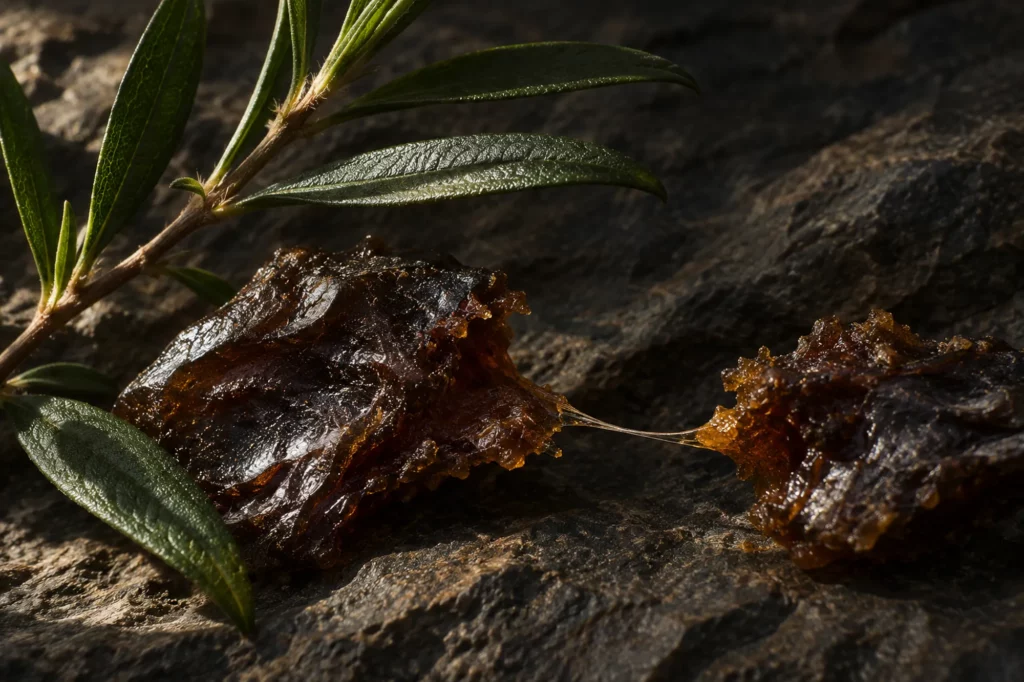
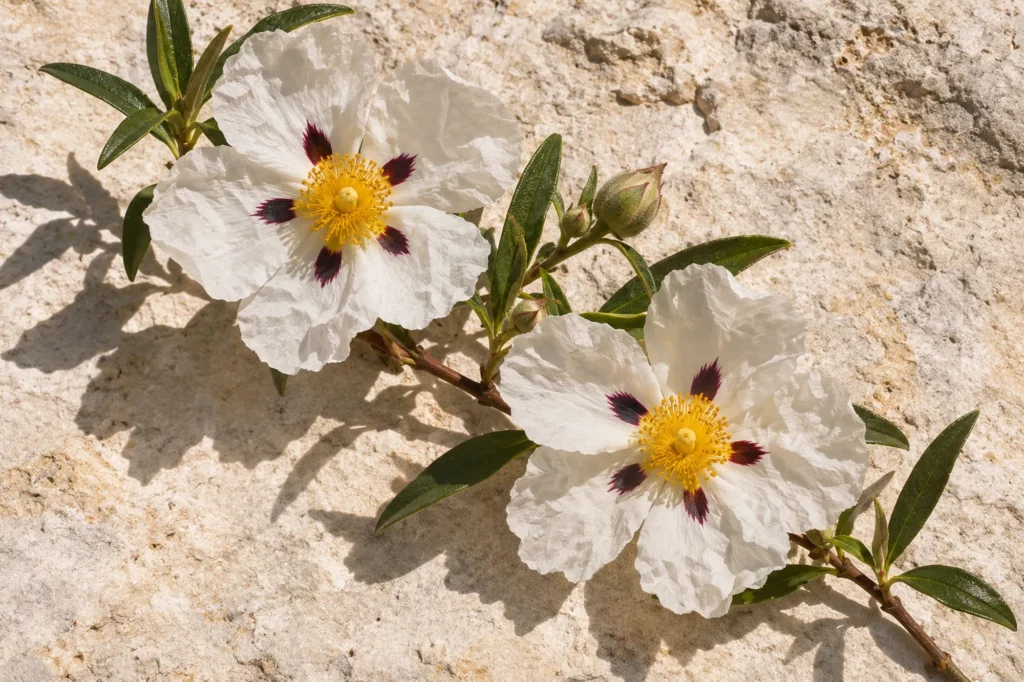
The plant is Cistus ladanifer, the gum rockrose, a shrub that grows wild around the Mediterranean. In spring it carries large white flowers with purple markings. Then the heat arrives, and the young branches and leaves coat themselves in gum. According to the fragrance house dsm-firmenich, the plant produces it to protect itself from sun and heat. Albert Vieille, which processes cistus in Andalusia, describes that gum as dark and glutinous.
People have wanted it for a long time. dsm-firmenich puts its use in perfumery at 3,000 years, and Givaudan notes that in ancient times the resin was collected by combing the fur of goats that had wandered through the bushes. Today, in southern Spain, the branches are pruned by hand from July, when they are full of resin, and only that year’s shoots are cut. Givaudan adds a detail I like: heavy rain during the harvest washes the resin away. The cut branches are then immersed in hot alkaline water to release the gum, and the gum is extracted into the two materials a perfumer buys, a resinoid and an absolute.
One shrub, two names. When the leafy twigs themselves are distilled or extracted, the result is sold as cistus. Labdanum is what comes from the gum. Brands use both words in note lists, and in the app we file them together under Labdanum.
What labdanum smells like in perfume
dsm-firmenich describes its labdanum absolute as ambery, woody, resinous, balsamic and leathery, with animalic notes in the drydown. Givaudan says the resinoid leans further towards smoke and tobacco. My own shorthand is a leather jacket that has been left in the sun. There’s warmth in it and something close to skin.
That is why it ended up at the centre of the amber accord. The fossil amber you know from jewellery has no smell, as the Paris house Bon Parfumeur points out. What perfumers call amber is built: labdanum with vanilla and a soft resin such as benzoin. Vanilla brings the sweetness and benzoin rounds it off. Labdanum supplies the leathery depth and the staying power, since dsm-firmenich calls it very long-lasting, and so you will nearly always find it in the base of a pyramid. These are five ways perfumers put it to work.
1. Labdanum as amber: Maison Francis Kurkdjian Grand Soir
Maison Francis Kurkdjian Grand Soir (Eau de Parfum, by Francis Kurkdjian) is the amber accord with its workings on show. The house lists lavandin at the top and cinnamon leaf in the heart. The base reads like the recipe above: cistus labdanum, an amber-vanilla accord and benzoin.
I think its strength is the proportion: the vanilla is there, but the labdanum keeps it from tipping into dessert. In the app it is filed as Amber, with Spicy and Woody beside it, and tagged for autumn and winter evenings: date night, night out, formal. To learn what amber means in a perfume, start with this one.
2. Labdanum by name: Le Labo Labdanum 18
Le Labo Labdanum 18 (Eau de Parfum) puts the resin on the label and in the heart. Cinnamon opens it. Underneath sit vanilla, civet, musk, castoreum, resins, tonka bean, birch and patchouli.
Civet and castoreum are animalic notes, and birch is a smoky one, so the side of labdanum that Grand Soir smooths over is turned up here. Vanilla and tonka keep it wearable. We file it as Amber with a Leather side, and it carries the cosy tag next to dark and bold, and both are fair: the base is half comfort, half animal.
3. Labdanum as leather: Chanel Cuir de Russie
No one distils leather. A leather note is an impression a perfumer has to build, and labdanum is one of the usual building blocks. Chanel Cuir de Russie (Eau de Parfum, by Ernest Beaux), first released in 1924, shows how. Bergamot at the top, jasmine and ylang-ylang in the heart, then birch, labdanum and leather in the base.
Birch gives the smoke. Labdanum gives the supple, slightly warm part, the inside of a glove. The app files it under Leather first, then Floral and Amber, for autumn and winter and for formal moments.
4. Labdanum in a chypre: Jusbox Feather Supreme
A chypre is citrus on top and something dark and dry underneath, and dsm-firmenich calls labdanum a key compound of that accord. Jusbox Feather Supreme (Eau de Parfum, by Dominique Ropion) follows the plan closely: mandarin, bergamot and apple, then rose, ylang-ylang, jasmine and tuberose, over patchouli heart, labdanum resinoid and musk. Jusbox even names the grade: the resinoid, the smokier of the two extracts.
You don’t smell labdanum as a separate thing here. You notice that a big white-flower bouquet stays upright and never turns syrupy. Chanel 31 Rue Cambon (Eau de Parfum, by Jacques Polge) uses the same support under iris, which I wrote about in our ode to iris. Feather Supreme is filed as Chypre with Floral, tagged for spring and autumn, the office and a date night.
5. Labdanum with tobacco: Parfums de Marly Herod
Parfums de Marly Herod (Eau de Parfum) is where the resin meets smoke. Cinnamon and pepper open it, the heart holds tobacco leaf, incense, cistus and osmanthus, and vanilla, musks and cedarwood close it. The brand writes cistus, the twig-and-leaf side of the plant. Givaudan hears tobacco in the resin anyway, so setting it next to a tobacco leaf note makes sense.
Incense sits right beside it in the heart, a cooler and drier resin that gets its own piece in our story on incense. Herod is filed as Spicy, with Woody and Amber, and tagged cosy, weekend and date night for the cold half of the year.
How to choose your labdanum perfume
Begin with what you already like, and pick the labdanum that sits closest to it.
- If you like warm, sweet ambers, try labdanum as amber, like Grand Soir.
- If you want the resin itself, rough edges included, try Labdanum 18.
- If you like your leather polished, try Cuir de Russie.
- If you love classic florals with a dry backbone, try a chypre, like Feather Supreme or 31 Rue Cambon.
- If you reach for tobacco and spice, try Herod.
Four of these five are tagged for autumn and winter in the app, and I would keep them there. What low temperatures do to a fragrance is a subject of its own, covered in why your perfume changes when the temperature drops. More than 500 fragrances in the PRFMST app list labdanum or cistus in their notes. Tap Labdanum on any fragrance page to see them all, or check how closely each of these fits your scent DNA.
Labdanum, briefly answered
What does labdanum smell like?
Warm, resinous and leathery, with a balsamic sweetness and a slightly animalic drydown. Depending on the extract it can also carry smoke and tobacco. It is long-lasting, which is why it usually sits in the base.
Is labdanum the same as amber?
No, but it is the main part of it. Amber in perfume is an accord, usually labdanum with vanilla and a resin such as benzoin. Fossil amber, the stone, has no smell and is not used.
What is the difference between labdanum and cistus?
Both come from the rockrose shrub, Cistus ladanifer. Labdanum is made from the sticky gum the plant produces in summer. Cistus is made from the leafy twigs themselves. Note lists use both words, sometimes together.
Is labdanum the same as ambergris?
No. Ambergris comes from the sperm whale, and labdanum comes from a plant. The names get mixed up because both are tied to the word amber.
Fragrances in this story
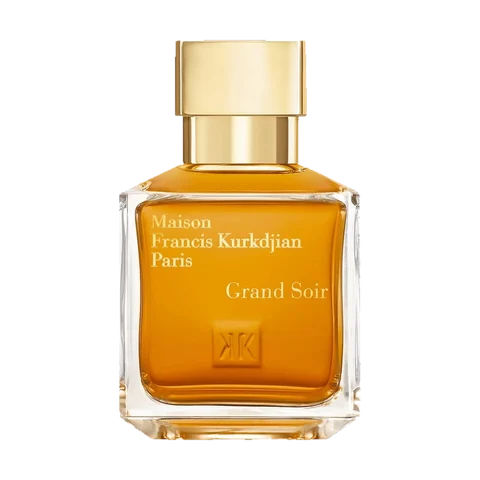 Maison Francis KurkdjianGrand SoirEau de Parfum
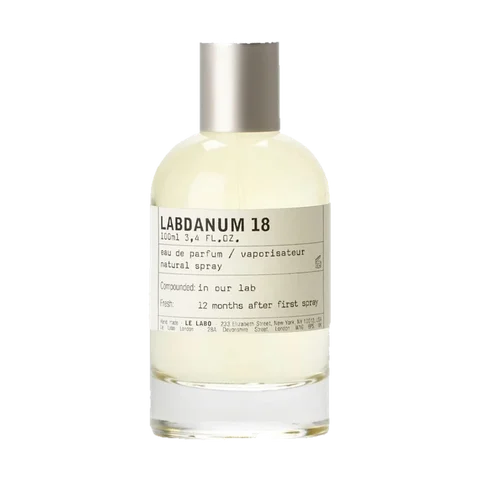 Le LaboLabdanum 18Eau de Parfum
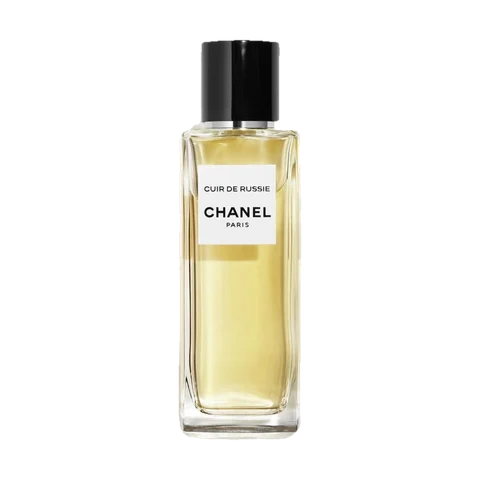 ChanelCuir de RussieEau de Parfum
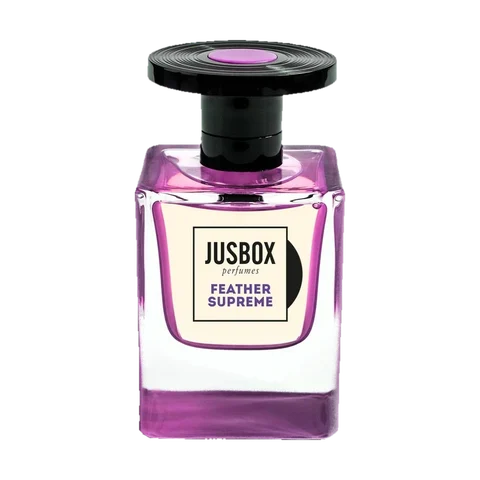 JusboxFeather SupremeEau de Parfum
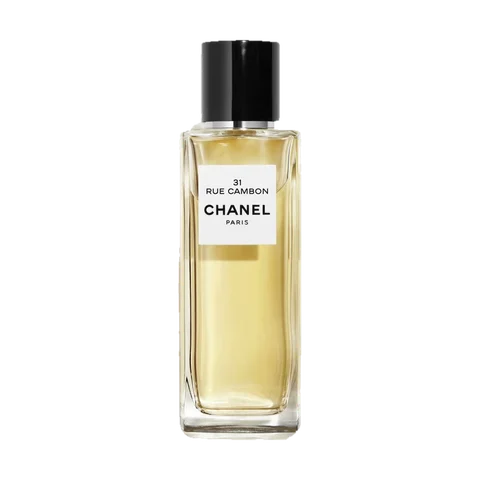 Chanel31 Rue CambonEau de Parfum
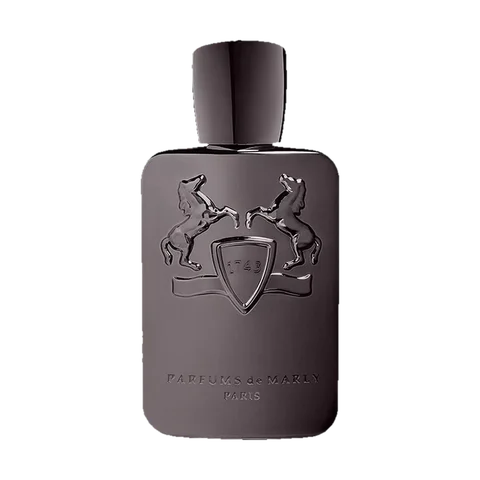 Parfums de MarlyHerodEau de Parfum
Find all six in the PRFMST app, with their full note pyramids and how well they fit your scent DNA.