Skip to content

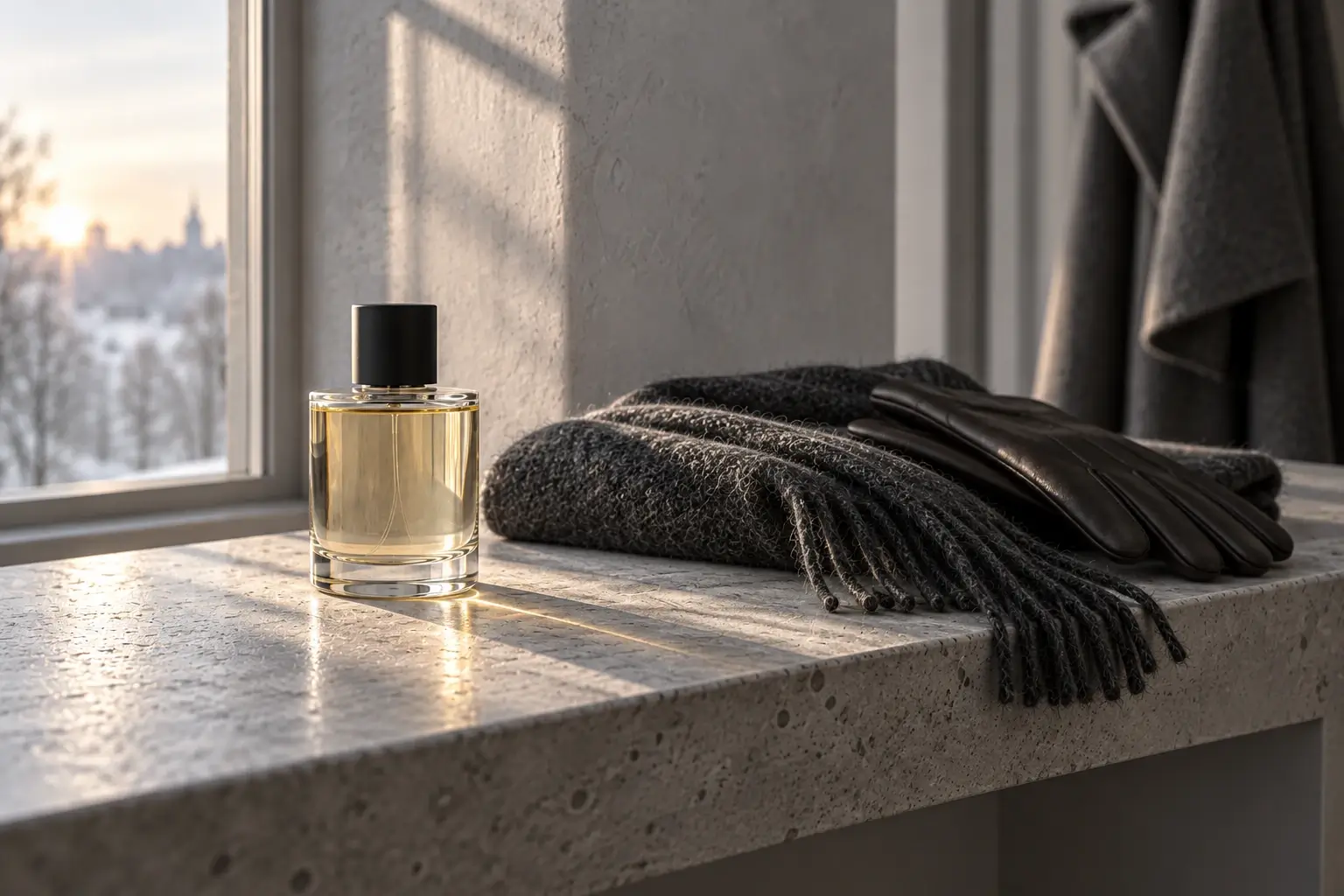
Short answer: your perfume can seem weaker in winter because cold slows evaporation, the step that carries scent from your skin into the air. A quieter trail doesn’t mean it has gone, or that you need more sprays. Before you reach for the bottle again, think about how warm your skin is, what’s covering it, and where you’ll spend the day.
The first cold morning comes with small changes. A heavier coat. A scarf pulled a little closer. Hands disappearing into pockets. The fragrance that felt so open all summer suddenly turns private. Once you understand why, choosing what to wear becomes far more interesting than simply spraying more.
What the cold actually changes
To smell a perfume, some of its molecules have to leave your skin and travel through the air to your nose. Temperature affects that very first step. The colder it is, the lower a material’s vapour pressure, so less of it lifts into the air. The American Chemical Society even uses perfume to show how temperature and moving air change the way a scent travels.

But the weather report is only part of the story. Your perfume sits on skin and fabric, and they can be much warmer or colder than the air around you. A bare wrist in the wind and a chest under three layers are two very different places.
Moving air matters too. Outside, a breeze carries scent away and spreads it thin, which makes your own fragrance hard to judge. And no, there’s no rule that says a few degrees colder means a few extra sprays.
Why it can smell like a different fragrance
A perfume is a blend of materials that evaporate at different speeds and smell at different strengths. What you notice is the balance that reaches your nose, not one ingredient doing all the work. Research into perfume diffusion looks at exactly that link between composition, evaporation and what we perceive.
Perfumers describe this unfolding with top, heart and base notes. As Experimental Perfume Club explains, the pyramid is a way to talk about how a composition develops over time. It’s a helpful map, not three sealed boxes that open on cue.
On a cold day, the balance you know can shift. The opening feels smaller, a favourite detail hides, the whole thing sits closer to the skin. That doesn’t mean the formula has changed. And temperature alone can’t tell you which note you’ll notice most in any given perfume.
A quieter fragrance isn’t a missing fragrance.
A softer trail isn’t the whole story
Projection is how far a fragrance reaches around you. Longevity is how long it stays noticeable. They’re related, but they answer different questions.
A scent can be clearly there close to your skin and almost invisible at arm’s length. So if you only judge it on a cold walk, you only get half the picture.
Smell it again once you’re inside and warm. If it opens up, that tells you something useful about how it behaves through your day. It doesn’t mean every fragrance lasts longer in winter: the formula, the way you apply it and your own skin still matter.
What to wear instead of spraying more
Start with the feeling you’re after. A new season can call for a different texture, without needing a whole new wardrobe.
Keep the brightness, add depth
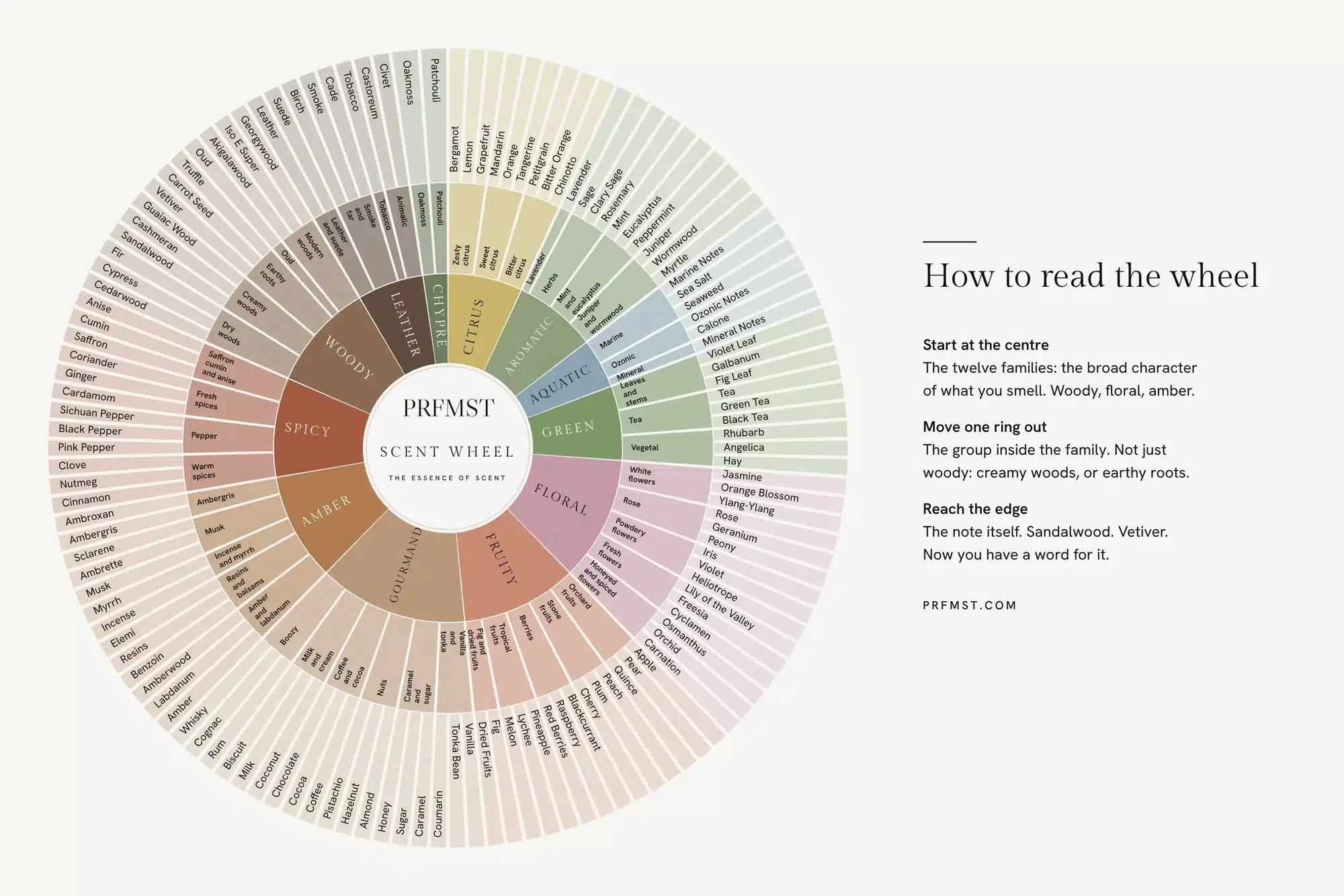
If you love Citrus, try compositions that also have a Woody or Spicy side. You get something to enjoy beyond the opening. Think of it as a direction for sampling, not a promise of more projection.
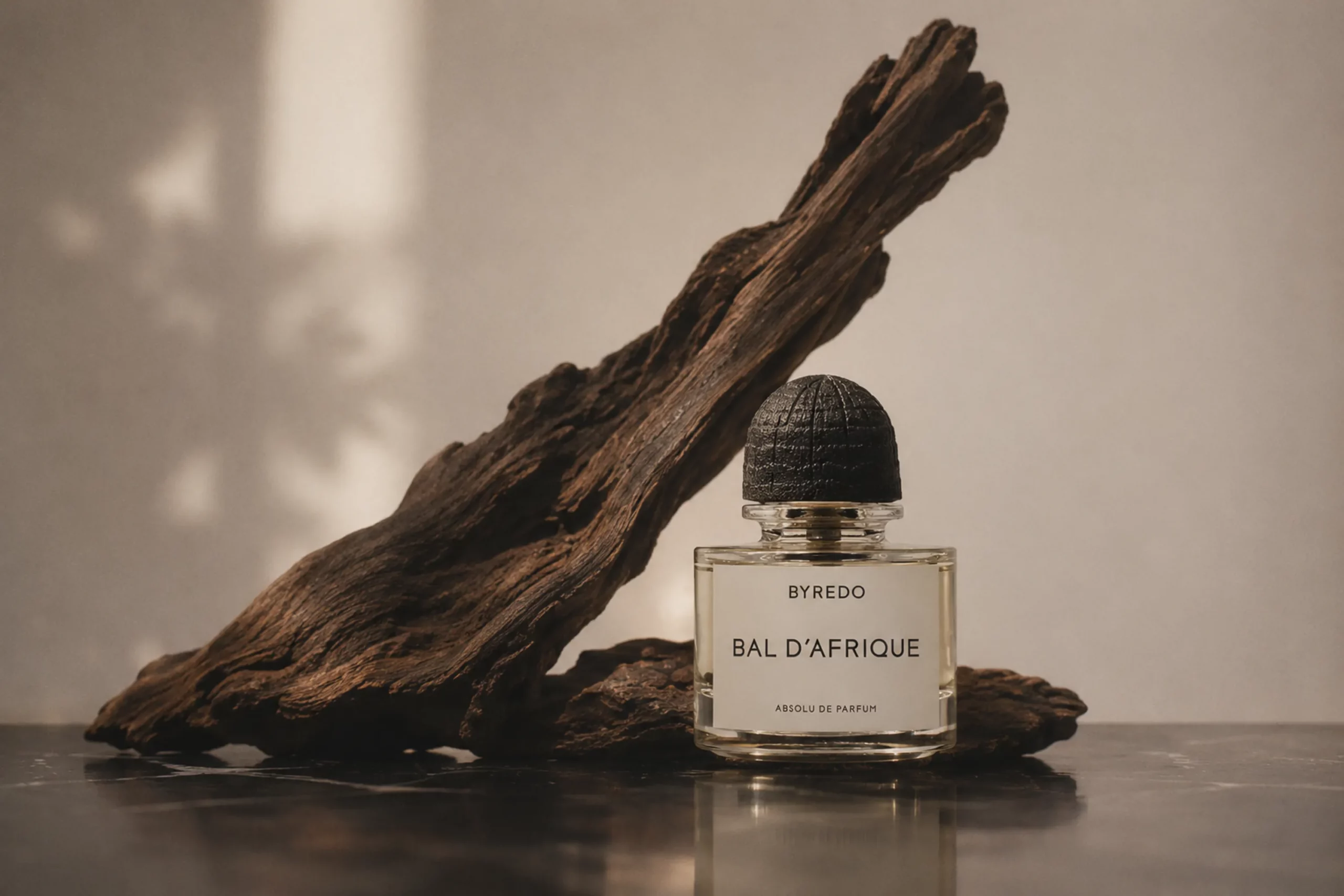
The same works for Floral fragrances. A floral built on a Woody base can feel more grounded next to wool and heavier fabrics, while keeping the character you fell for.
Explore warmth as a mood
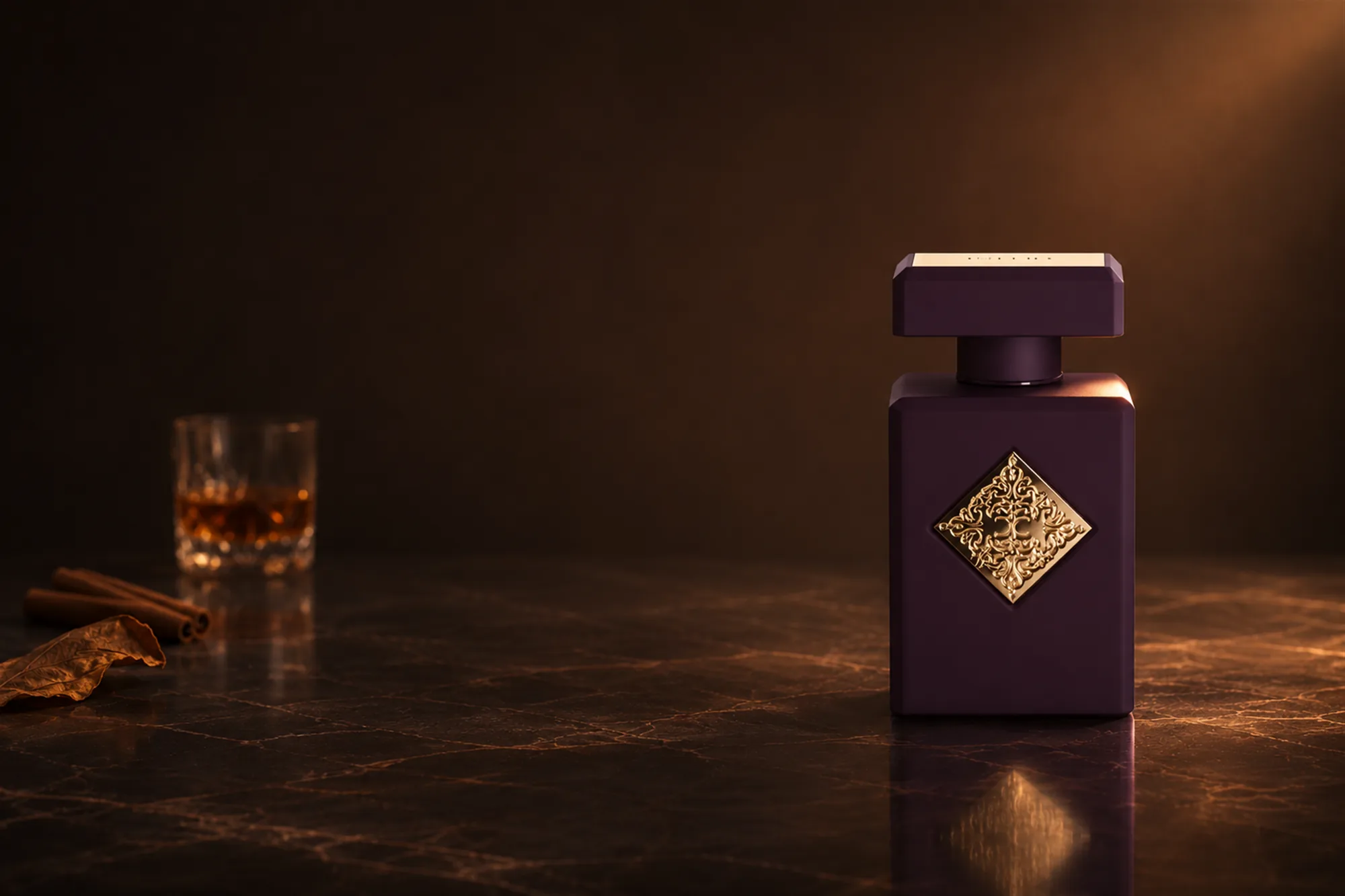
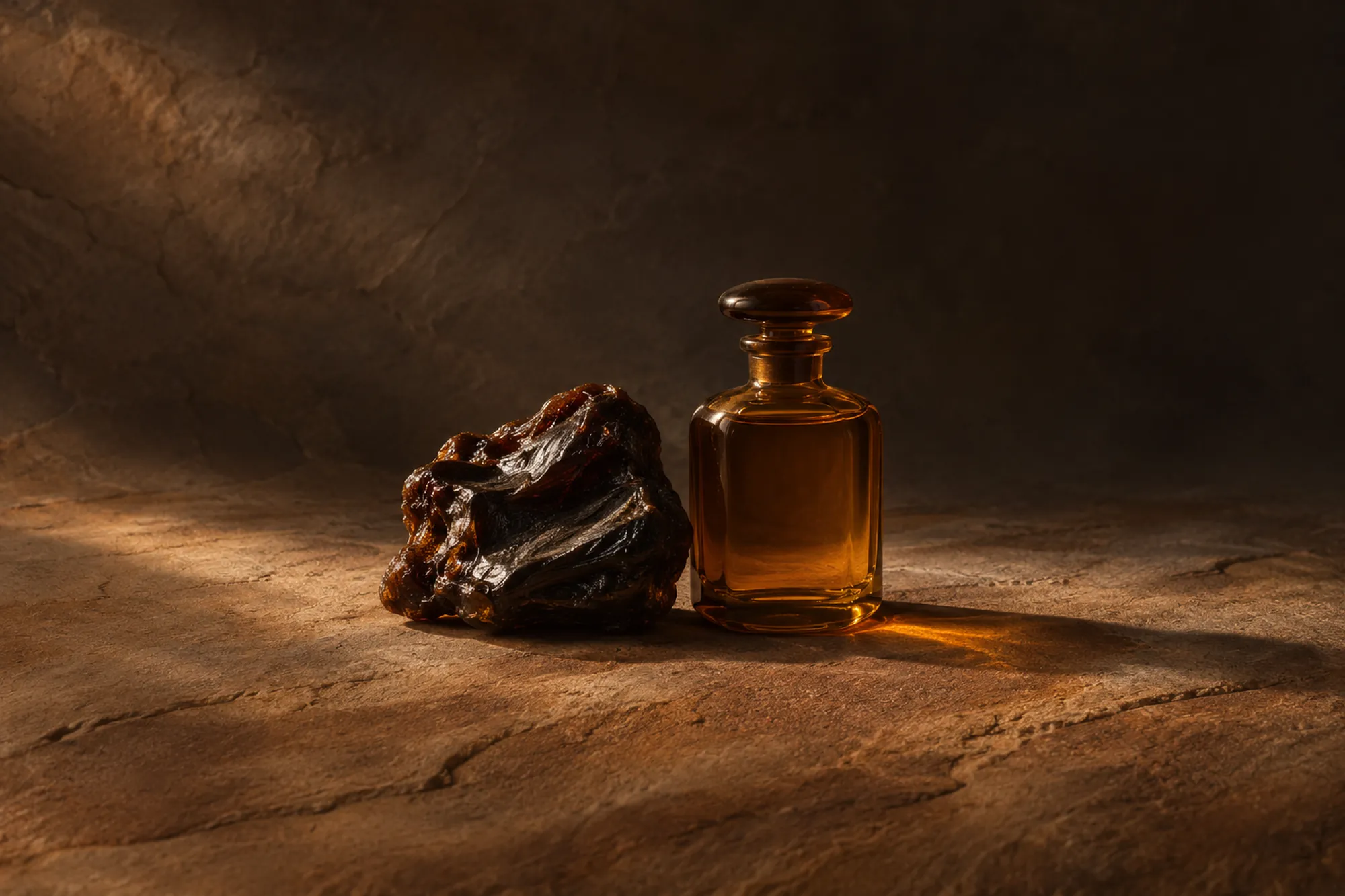
Amber, Gourmand, Spicy, Woody and Leather are good families to explore when you want something more enveloping. Think about what draws you in: the round sweetness of vanilla, the dryness of cedar, a quiet suggestion of leather.
Those are matters of taste, not performance. Not every fragrance in these families behaves better in the cold. Sample the actual composition, and choose the one you enjoy wearing.
Looking for a place to start? Four popular winter choices to sample are Tom Ford Tobacco Vanille, Dior Sauvage Elixir, Chanel Coco Noir and Dior Hypnotic Poison Eau de Parfum. Treat them as starting points, not a ranking. In the PRFMST app you’ll find them below this story, with how well each one fits your scent DNA.
Choose for the room you’re walking into
A walk outside and an afternoon in a heated office ask for different things. Let your destination guide you as much as the forecast. A scent that feels discreet on the street can be just right in a small meeting room.
And there’s no need to retire your Green, Aquatic or Aromatic favourites when the temperature drops. Something clear and light can feel exactly right against heavy winter clothes.
Try one small experiment
On the next cold morning, apply your usual amount and don’t top up straight away. Notice the fragrance before you leave, on the way, and once you’ve settled indoors. Repeat it on another day with the same application, so the comparison means something.
- Where it sits: bare wrists or covered skin?
- How long outside: a short walk or hours in the cold?
- Where you end up: a quiet room or a crowded commute?
Those details will tell you more than a blanket verdict of “weak in winter”.
The goal is a fragrance that suits the day you’re actually living. Sometimes that means a different perfume. Sometimes it means letting a familiar one speak a little more softly.