 Skip to content

Guide
The twelve fragrance families.
Every perfume in PRFMST belongs to one or more of twelve families. Knowing which ones you love is the quickest way to understand your own taste, and the heart of your Scent DNA.
The families

Citrus
Bright, zesty and uplifting: the sparkle of freshly peeled fruit.
Bergamot, lemon, mandarin, grapefruit, neroli

Aromatic
Herbs and lavender: clean, green and classic, the scent of a well-kept barbershop.
Lavender, rosemary, sage, mint, basil

Aquatic
Sea air, salt and water: cool, airy and transparent.
Sea salt, marine notes, calone, ozonic notes
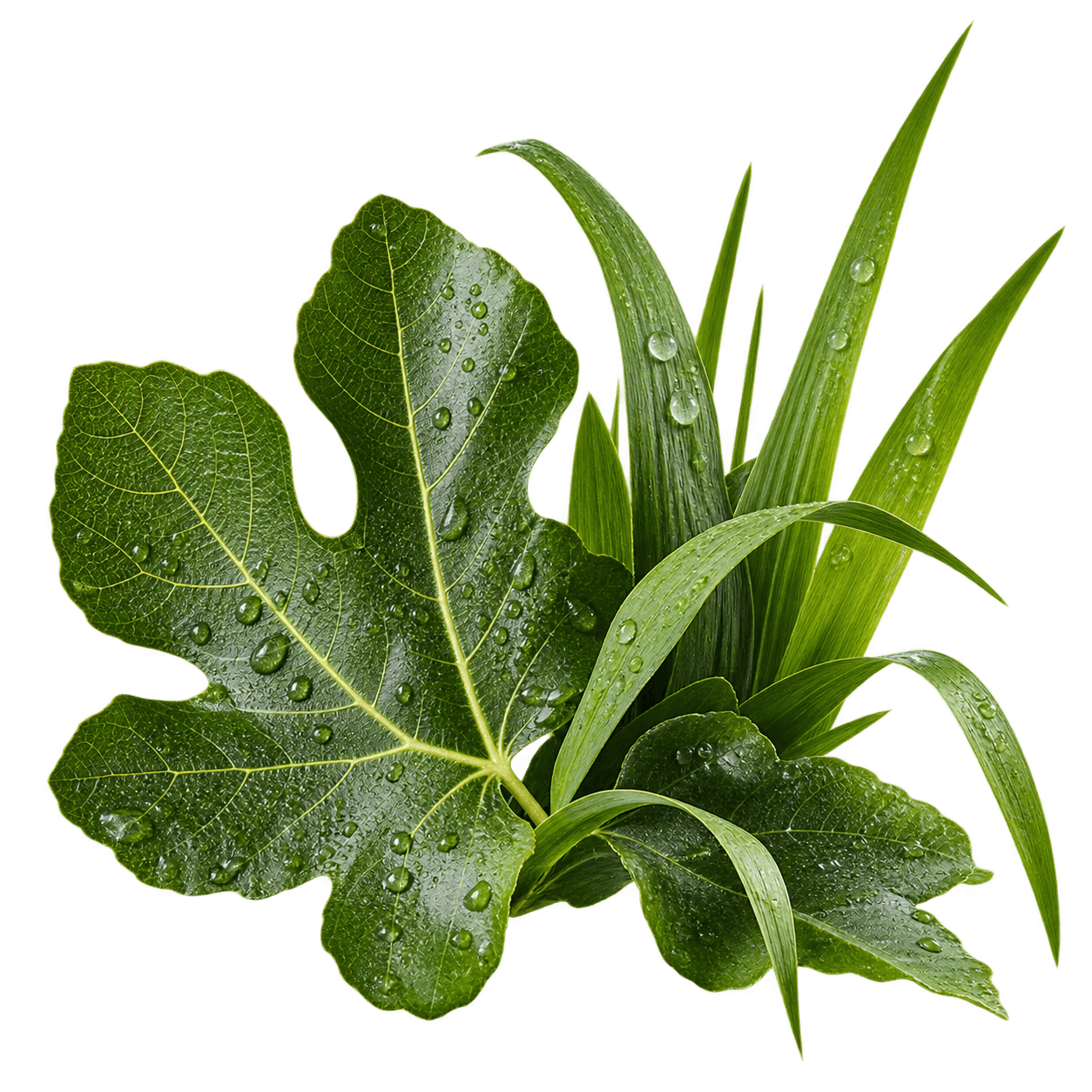
Green
Crushed leaves, cut stems and tea: crisp, natural and alive.
Galbanum, fig leaf, green tea, violet leaf

Floral
From fresh rose and jasmine to powdery iris and violet.
Rose, jasmine, iris, tuberose, orange blossom
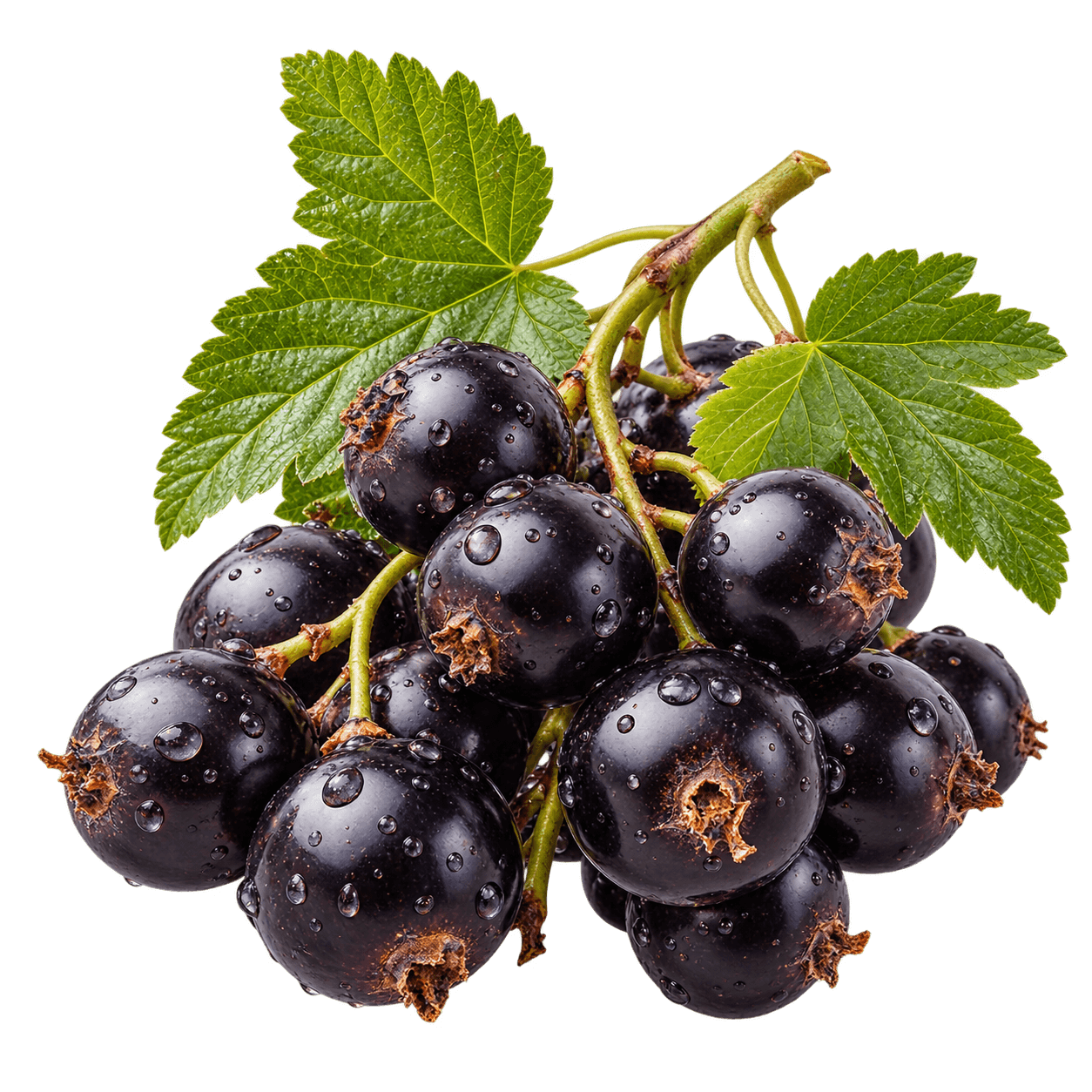
Fruity
Juicy berries, orchard fruit and the tropics.
Pear, blackcurrant, peach, raspberry, apple
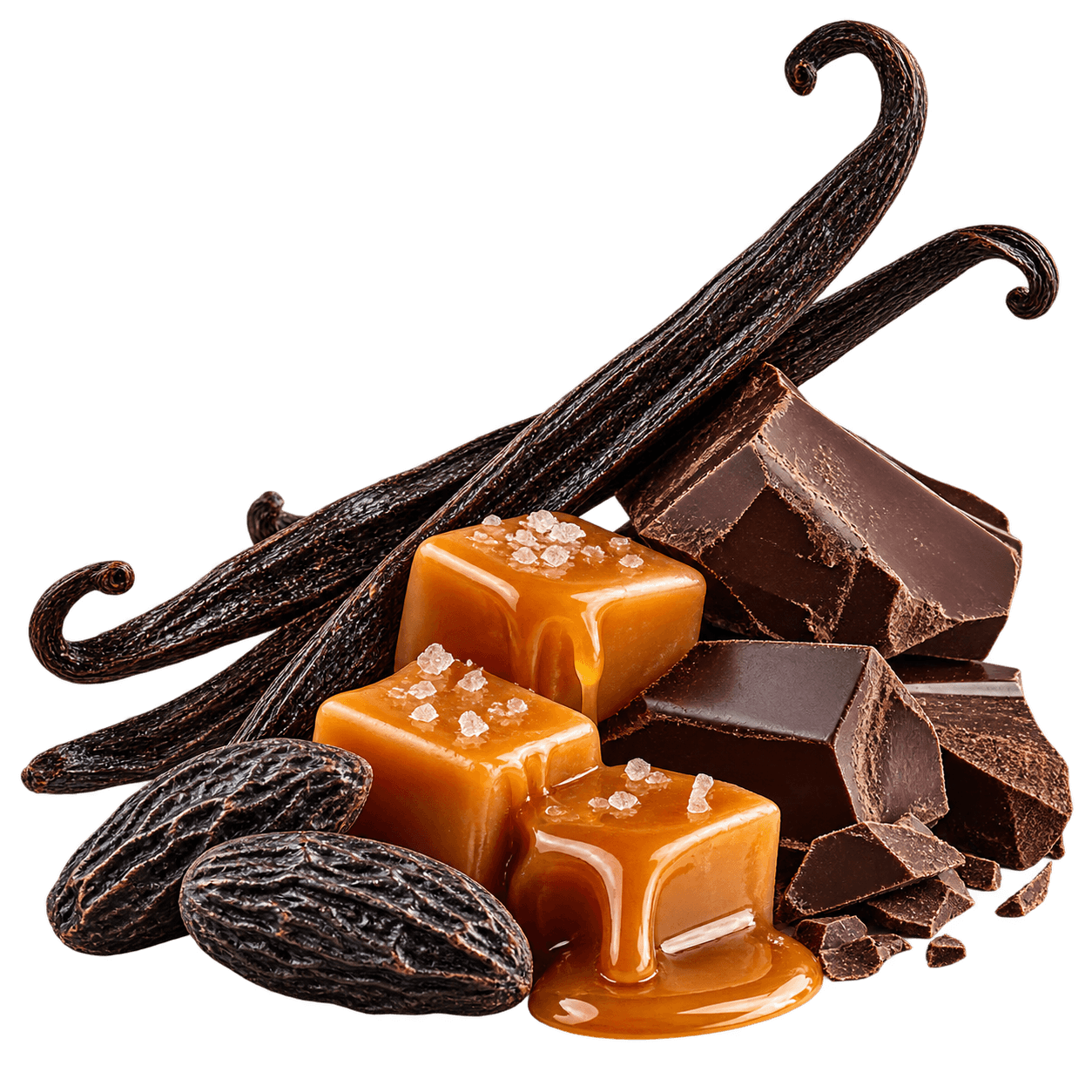
Gourmand
Edible and comforting: vanilla, tonka, caramel and coffee.
Vanilla, tonka bean, praline, coffee, almond

Amber
Warm, resinous and enveloping, built on soft resins and balsams.
Amber, labdanum, benzoin, frankincense, myrrh
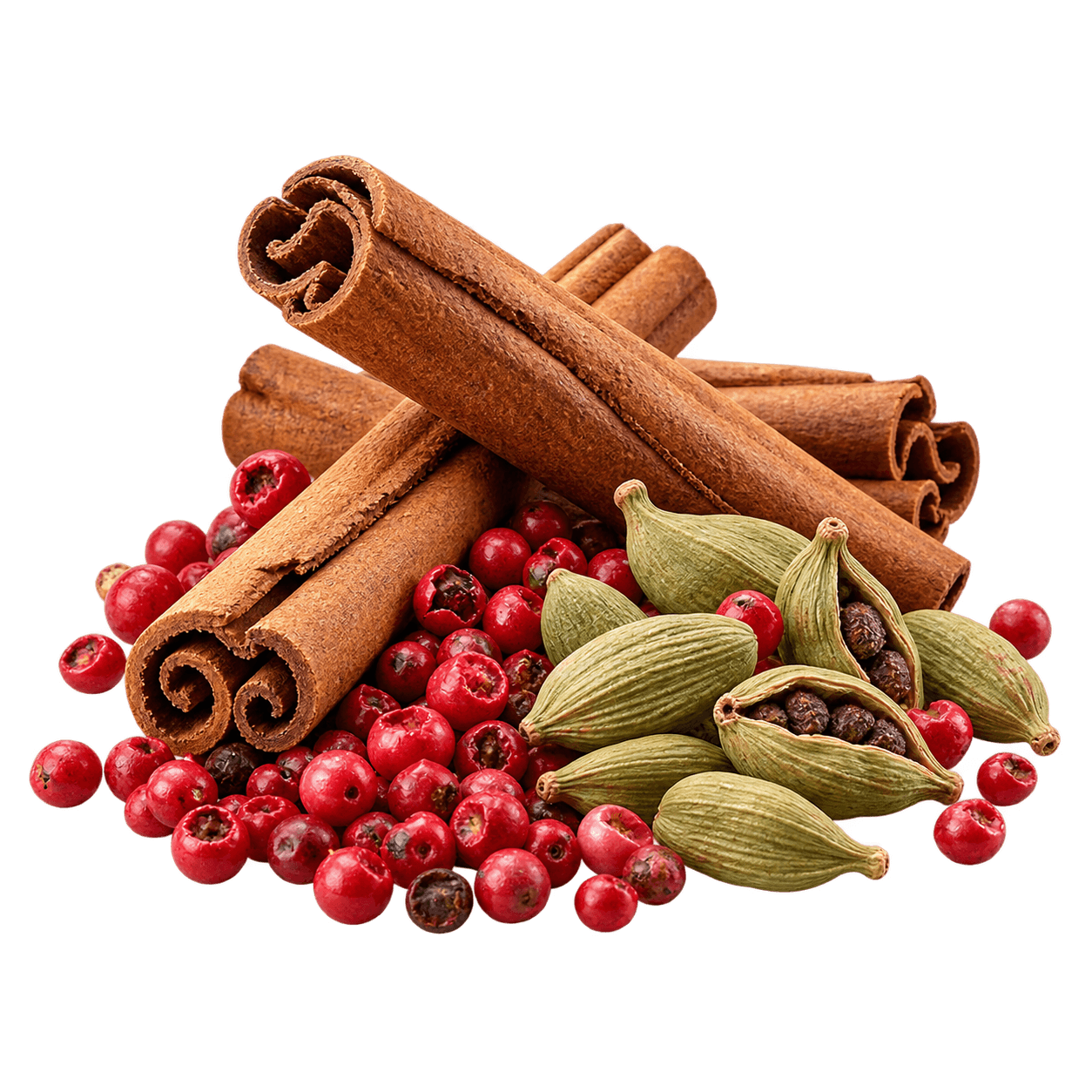
Spicy
Warm and cool spices that bring energy and depth.
Pink pepper, cardamom, cinnamon, saffron, clove
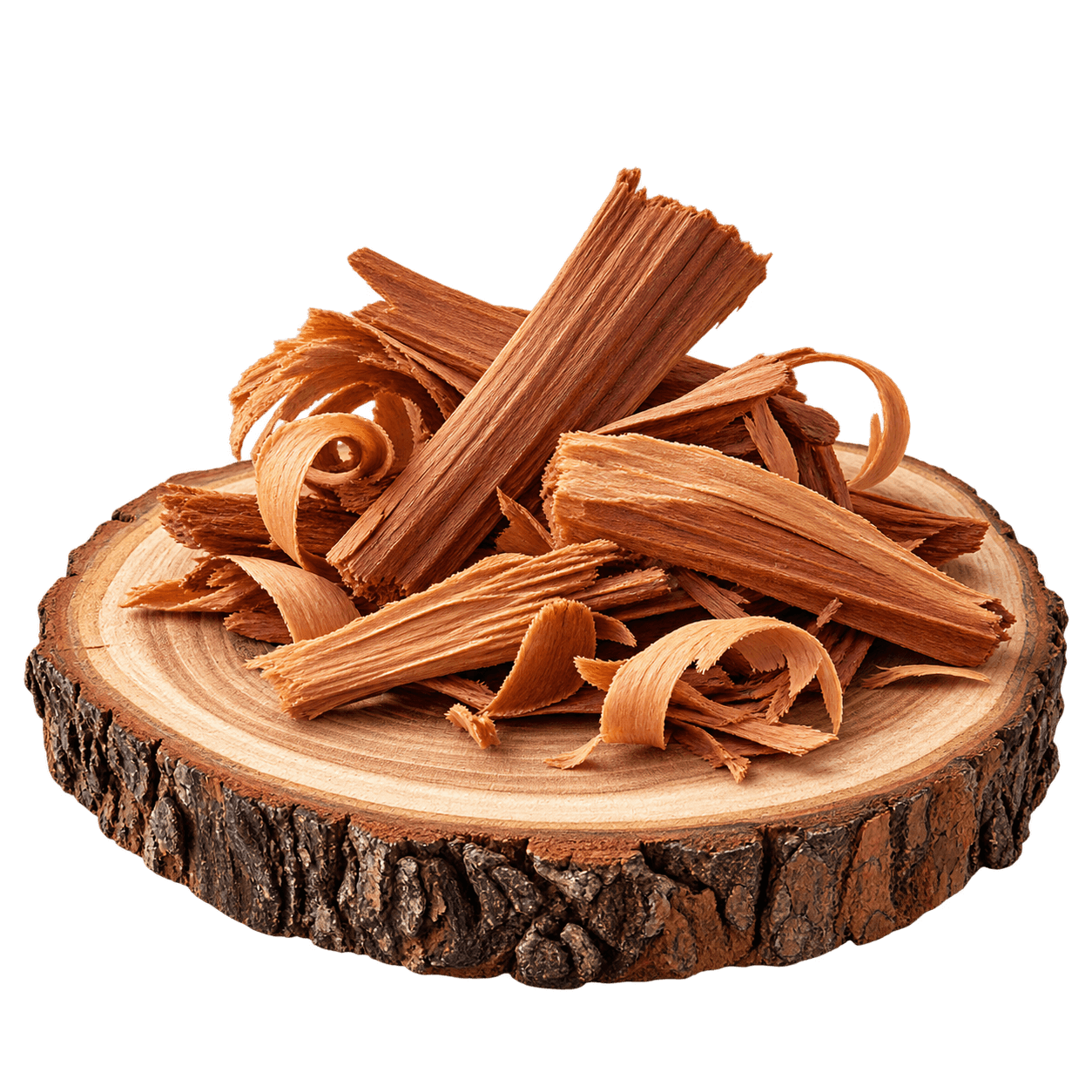
Woody
Dry, creamy or smoky woods, the backbone of countless perfumes.
Cedar, sandalwood, vetiver, oud, guaiac wood
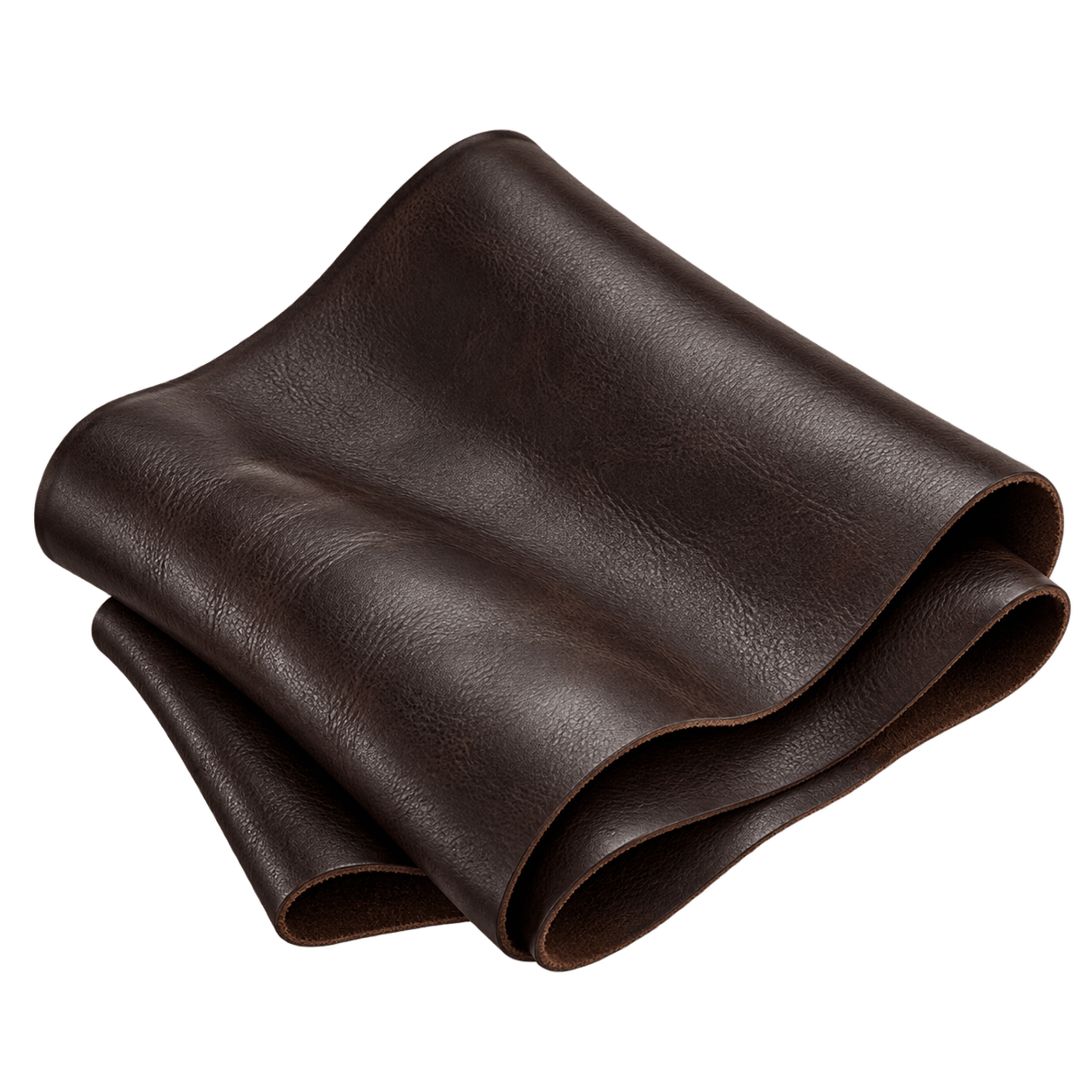
Leather
Supple leather and suede, often with tobacco and a trace of smoke.
Leather, suede, birch tar, tobacco, castoreum

Chypre
The elegant classic: bright citrus over a mossy, earthy base.
Bergamot, oakmoss, patchouli, labdanum
Why families matter
Most perfumes combine several families: a woody fragrance can open with citrus and settle into amber. In PRFMST, the main family comes first, and your Scent DNA shows which families you love and which you tend to avoid. That is how we can tell you, in plain words, why a fragrance fits you.
Explore further
Read our stories about notes and families, or discover the app to see every family with all its fragrances.