 Skip to content

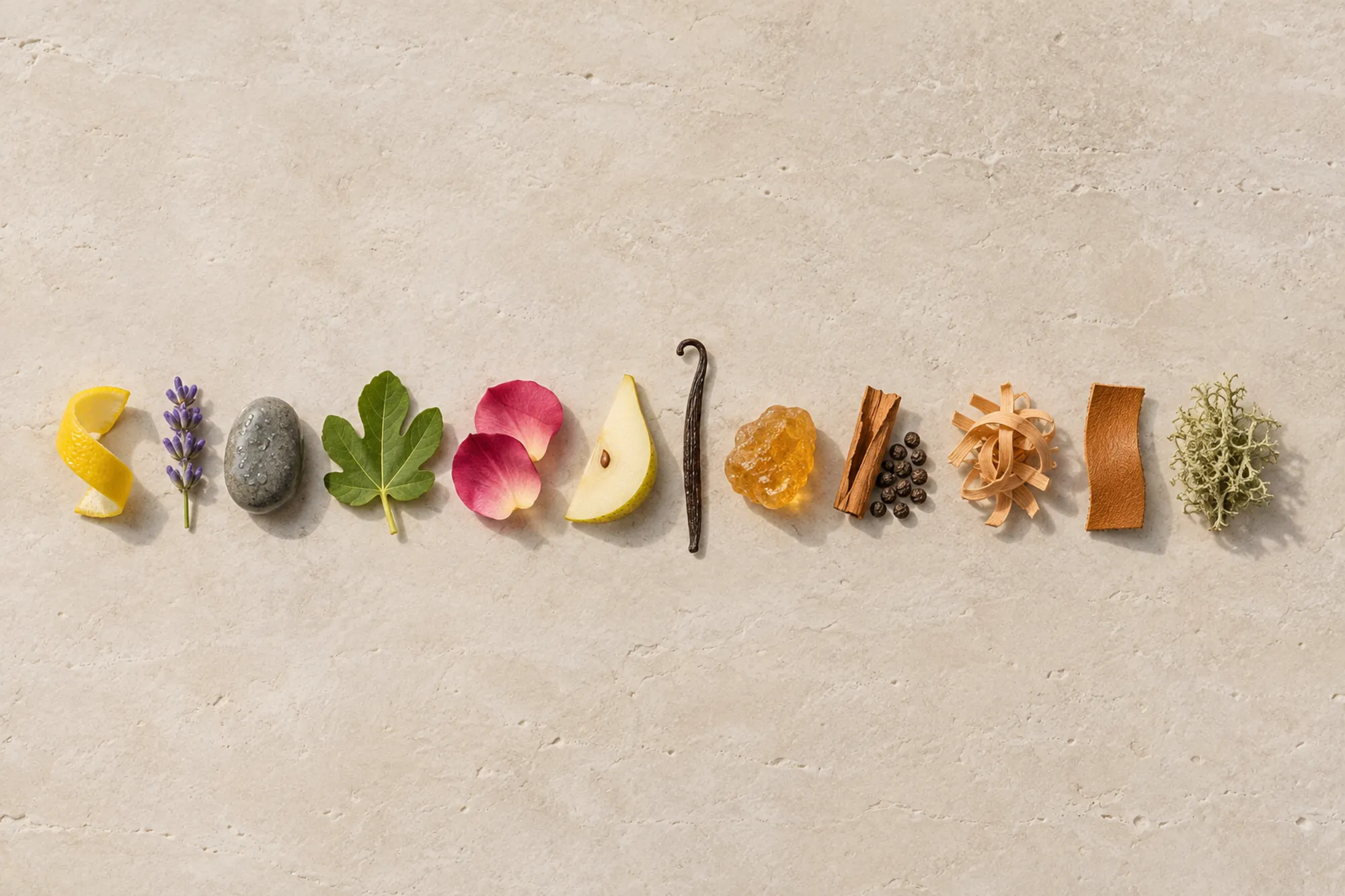
Fragrance families are groups of perfumes that smell alike because they are built on the same kind of materials, and PRFMST sorts every fragrance into twelve of them: citrus, aromatic, aquatic, green, floral, fruity, gourmand, amber, spicy, woody, leather and chypre. Learn the twelve and a wall of bottles turns into something you can read. This is the first of the PRFMST guides, and it takes the families one at a time, each with the materials that define it and one fragrance that shows it plainly.
In this guide
- What a fragrance family is
- How the 12 fragrance families fit together
- Citrus
- Aromatic
- Aquatic
- Green
- Floral
- Fruity
- Gourmand
- Amber
- Spicy
- Woody
- Leather
- Chypre
- How to use the families to find what you like
- Questions about fragrance families
What a fragrance family is
A family is shorthand. Nobody can hold nine thousand perfumes in their head, so perfumers, shops and writers group them by the material that leads: fragrances built around lemon and bergamot in one place, those built around cedar and vetiver in another. The groups aren’t laws. The Société Française des Parfumeurs counts seven families. Michael Edwards’s fragrance wheel, the one you see in many shops, has four main groups and fourteen sub-families. We use twelve, because at twelve the names still mean something when you’re standing at a counter.
I learned what a family is for in a shop. I was working along a shelf, trying one fragrance after another, and I knew which ones I liked without being able to say why. Then the assistant asked whether I liked the powdery notes. It clicked at once. I couldn’t have described it that accurately myself, not yet, but with that one word the bottles I’d picked out suddenly belonged together.
Powdery, I found out later, is what iris does. Iris is a root, and it gives a fragrance the smell of face powder with something cool and dry underneath. In the app most iris fragrances sit in the floral family. Dior Homme Intense (Eau de Parfum Intense) is one: iris and ambrette seed, a plant musk, in the heart, cedar and amber at the base. We file it as Floral first, with Woody and Amber. So when PRFMST launched, iris was the first subject I went deep on, in an ode to iris.
That’s the use of a family name. It does what the assistant’s question did for me: it gives you a word to ask with.
How the 12 fragrance families fit together
The twelve run roughly from light to dark, the same order the app and the Scent Wheel use. Citrus, aromatic, aquatic and green are the fresh end, made of materials that leave the skin quickly and smell of outdoors. Floral and fruity sit in the middle. Gourmand, amber and spicy are the warm families. Woody, leather and chypre are the dry, deep ones.
Almost no fragrance lives in a single family. Of the fragrances in the app, more than 5,400 carry three families, about 3,900 carry two, and only some 220 carry one. So every fragrance on PRFMST has a main family and usually one or two more beside it. The main family tells you where to shelve it. The others tell you what it borrows.
Citrus
Citrus is the smell of peel: lemon, bergamot, mandarin, grapefruit, bitter orange. The oils are pressed from the rind, and their molecules are small and quick to leave the skin, which is the charm of the family and its limit. A citrus fragrance is at its brightest when you spray it. What’s left an hour later is whatever the perfumer put underneath.
Acqua di Parma Colonia (Eau de Cologne) has shown how that’s done since 1916. Lemon, sweet orange and Calabrian bergamot open it; lavender, rose, verbena and rosemary follow; vetiver, sandalwood and patchouli hold the base. I think the rosemary is what makes it, because it keeps all that citrus from turning into lemonade. The app files it as Citrus first, with Aromatic and Woody, for spring and summer. More than 700 fragrances in the app have citrus as their main family.
Aromatic
Herbs. Lavender above all, then sage, rosemary, basil and mint. Aromatic is the family of the barbershop, and its best-known structure is the fougère: lavender, oakmoss and coumarin, first put together by Paul Parquet in Fougère Royale for Houbigant in 1882. It has its own story here, the fern accord that never grew in nature.
Jean Paul Gaultier Le Male (Eau de Toilette, 1995) cuts the idea down to three notes: mint, lavender, vanilla. The lavender is the clean barbershop kind, and the vanilla under it is why the app files Le Male as Aromatic first and Amber second, tagged for autumn, winter and spring. About 950 fragrances share its main family.
Aquatic
Sea air, rain, wet stone. None of these can be distilled or pressed, so an aquatic fragrance is built from molecules made to suggest water. The best known is Calone, which smells of sea breeze with a trace of melon. When a brand lists “marine notes”, it means an accord of this kind and not something taken from the sea.
Giorgio Armani Acqua di Giò (Eau de Toilette, 1996) is the reference. Marine notes and bergamot on top, jasmine, cedarwood and rosemary in the heart, white musk and patchouli beneath. We file it as Aquatic, then Citrus and Aromatic. The app tags it for holidays and for the office, and I’d say that tells you how easy water is to wear. Aquatic is the smallest of the fresh families here, with a little over 200 fragrances.
Green
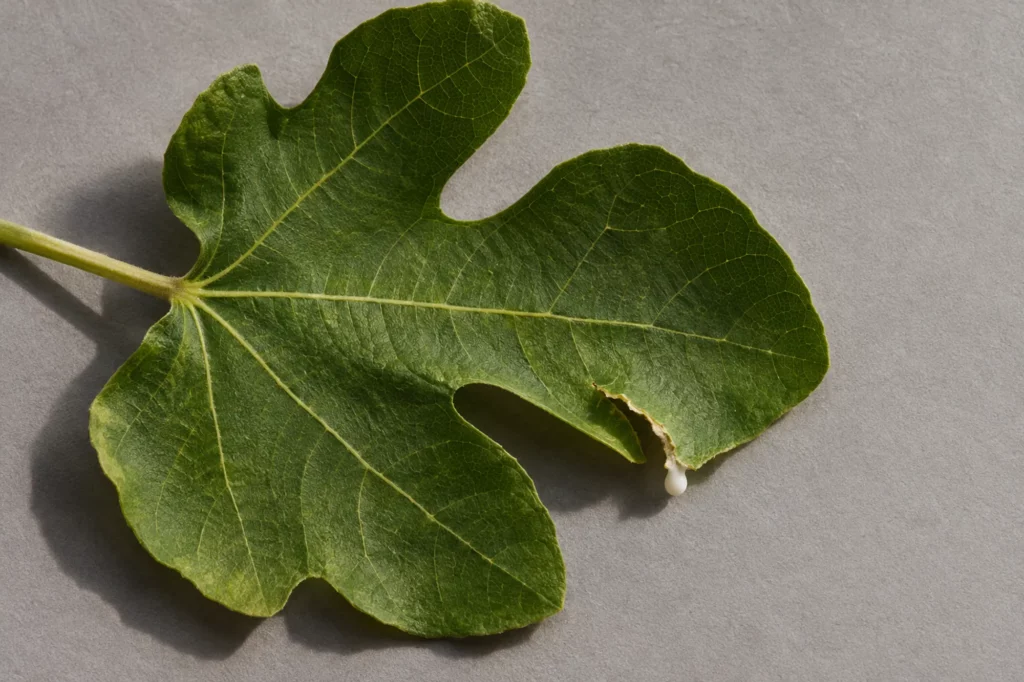
Green is a snapped stem. Leaves, cut grass, fig leaf, tea, and galbanum, a resin from a plant that grows in Iran and smells bitter and sharp, like the inside of a pea pod. As a main family it’s small, around 160 fragrances. But more than 600 carry green as one of their families: it’s mostly used as an accent, a few drops of leaf in something else.
Diptyque Philosykos (Eau de Toilette, 1996) is green all the way down. Fig leaves and black pepper, then fig tree sap, then fig tree wood. One tree, top to bottom. The app files it as Green first, with Fruity and Woody.
Floral
The largest family, by a distance. More than 2,500 fragrances in the app are floral first, and nearly half of everything we list has floral among its families. Rose and jasmine carry most of it. Around them come tuberose, orange blossom, ylang-ylang, lily of the valley, violet and iris. Don’t read floral as feminine: Dior Homme Intense, made for men, is a floral.
Dior J’adore (Eau de Parfum, by Calice Becker) came out in 1999 and is one of the few fragrances in the app with a single family. Ylang-ylang, Damask rose, Grasse jasmine, violet and lily of the valley, listed as one bouquet with no top or base. If you want to know what “floral” means before any other family gets involved, I’d start here.
Fruity
Fruit other than citrus: pear, peach, apple, blackcurrant, berries, pineapple. Hardly any of it can be extracted from the fruit itself, so a fruity note is nearly always something the perfumer has built. Fruit rarely carries a fragrance alone. About 1,000 fragrances in the app are fruity first, against more than 2,600 that have fruity somewhere among their families. It gives the opening and the colour, and something else does the lasting.
Jo Malone London English Pear & Freesia (Cologne) is the family at its plainest. Williams pear, freesia, patchouli. The app files it as Fruity first and Floral second, for autumn and spring, and the patchouli at the bottom is that “something else”: an earthy leaf under a very clean pear.
Gourmand
Gourmand means it smells edible. Vanilla, tonka bean, caramel, praline, coffee, chocolate, honey. The family is young. It begins in 1992 with Mugler’s Angel, and more than 800 fragrances in the app now have it as their main family.
Lattafa Khamrah Qahwa (Eau de Parfum, 2023) opens on cinnamon, cardamom and ginger, moves through praline, candied fruits and white flowers, and ends on vanilla, coffee, tonka bean, benzoin and musk. Qahwa is Arabic for coffee. It’s the coffee I’d point to: bitter enough to cut the praline, so the whole thing stops short of a dessert trolley. The app files it as Gourmand first, with Spicy and Amber, for autumn and winter.
Amber
Amber in perfume is neither the fossil nor ambergris. It’s an accord, usually labdanum, a sticky resin from the rockrose shrub, with vanilla and often benzoin, a second resin that smells sweet and balsamic. Warm, a little sweet, slow. These are some of the heaviest materials a perfumer has, and they’re the last to leave the skin.
Guerlain Shalimar (Eau de Parfum, by Jacques Guerlain) starts with bergamot and flowers, has iris, jasmine and rose at its heart, and rests on vanilla, tonka bean and balsamic notes. The app files it as Amber first, with Floral, for autumn and winter. About 950 fragrances have amber as their main family, and close to 2,900 carry it somewhere.
Spicy
One number explains this family. About 380 fragrances in the app are spicy first, but more than 2,000 have spicy among their families. No other family is so much more often the support than the lead. The spices themselves: pepper, cardamom, ginger, cinnamon, clove, nutmeg, saffron. It helps to split them in two. Pepper, cardamom and ginger feel cold and fresh. Cinnamon and clove feel warm and sweet.
Viktor&Rolf Spicebomb (Eau de Toilette, by Olivier Polge, 2012) uses both kinds. Pink peppercorn, elemi (a resin with a lemon-and-pepper smell), bergamot and grapefruit open it cold. Cinnamon, saffron and paprika warm the heart, and leather, tobacco and vetiver close it. Spicy first, then Woody and Leather, and the app tags it for autumn and winter.
Woody
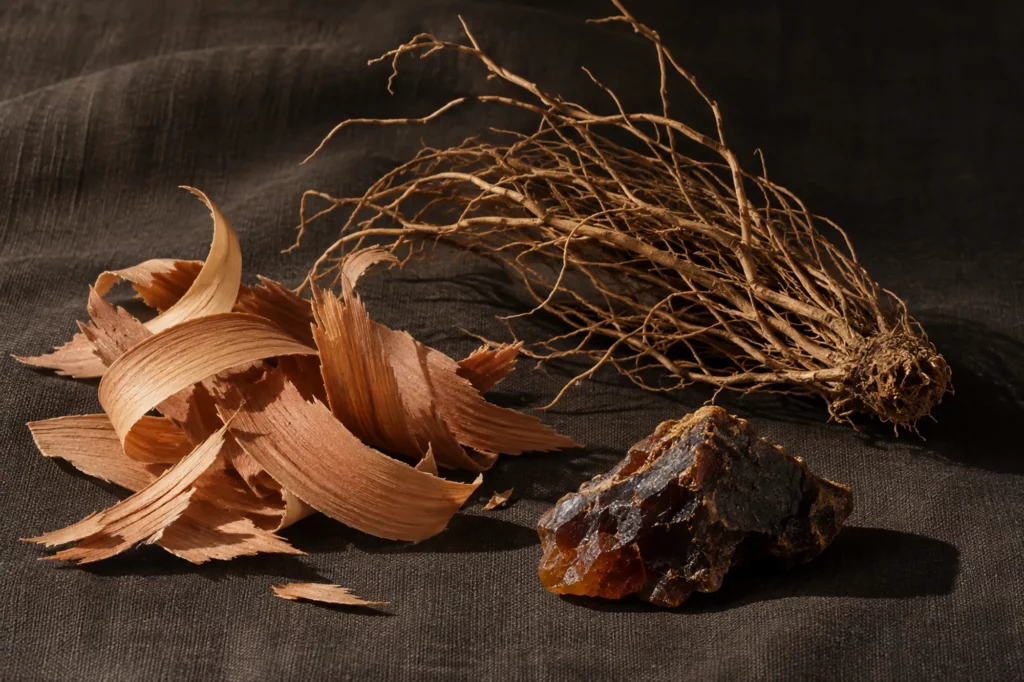
Cedar, sandalwood, vetiver, patchouli, oud. Woods are the floor under most perfumes, whatever their family: more than 4,300 fragrances in the app have woody among theirs. A fragrance becomes woody when the floor is the point. Cedar is dry, like pencil shavings. Sandalwood is creamy. Vetiver, the root of a grass, smells of earth and a little smoke, and patchouli, a leaf, of damp soil.
Hermès Terre d’Hermès (Eau de Toilette, by Jean-Claude Ellena, 2006) needs four notes: grapefruit, then black pepper and flint, then cedar. Nobody distils flint. It’s the house’s word for a mineral, struck-stone effect, and I think it’s the reason this cedar reads as ground and not as furniture. Woody first, with Citrus and Spicy, for autumn and spring. About 1,300 fragrances share its main family.
Leather
No leather goes into a leather fragrance. The smell is built: from birch tar, which is smoky, from saffron, from suede accords that are soft and close to powdery. That gives the family a wide range, from a new handbag at one end to a saddle by a fire at the other. About 390 fragrances in the app are leather first.
Tom Ford Ombré Leather (Eau de Parfum, 2018) sits in the middle of that range. Cardamom on top, a black leather accord and jasmine sambac in the heart, patchouli, white moss and amber at the base. The brand’s own list says “accord”, which is the honest word. The app files it as Leather first, then Floral and Woody.
Chypre
Chypre (say “sheep-ruh”) is French for Cyprus, and the family is named after one perfume: Chypre by François Coty, from 1917. It’s the only one of the twelve defined by a structure and not by a material. Bergamot on top, flowers in the heart, oakmoss and patchouli underneath, often with labdanum. Bright first, then dark.
It’s also the smallest family in the app, with about 150 fragrances. Oakmoss, the lichen at its base, is restricted today: the International Fragrance Association (IFRA) limits how much of the extract a perfume may contain, and perfumers have had to rework the base. Guerlain Mitsouko (Eau de Parfum) still lists it. Peach and bergamot; jasmine, rose centifolia, black pepper, cardamom and pink berries; then oakmoss, vetiver, patchouli and undergrowth notes. The peach is why the app files it as Chypre first with Fruity and Floral beside it.
How to use the families to find what you like
Start with a bottle you already like. Look it up in the PRFMST app and read its families, the main one and the one or two beside it. Then do the same for a second favourite. If a family shows up twice, you’ve found your own version of “powdery”: the word to take into a shop.
In the shop, ask by family and you’ll be shown a much shorter shelf. Try two fragrances from the same family side by side, then one from the family next to it. The fresh families show themselves in the first minutes. The warm and deep ones need an hour on skin, and how to smell a perfume covers the method.
And don’t treat a family as closed because of its name. Someone who says they don’t like florals may turn out to like iris. A dry amber has little in common with a sweet one.
Two tools on this site do part of the work. The Perfume Finder asks a few questions and answers with fragrances. The Scent Wheel puts the twelve families in a circle, so you can see which ones are neighbours.
Questions about fragrance families
How many fragrance families are there?
There is no fixed number. The Société Française des Parfumeurs counts seven, Michael Edwards’s fragrance wheel has four main groups and fourteen sub-families, and PRFMST uses twelve: citrus, aromatic, aquatic, green, floral, fruity, gourmand, amber, spicy, woody, leather and chypre.
What is the largest fragrance family?
In the PRFMST catalogue it is floral. More than 2,500 fragrances have floral as their main family, followed by woody with about 1,300.
Can a fragrance belong to more than one family?
Yes, and most do. On PRFMST a fragrance has one main family and up to two others. More than 5,400 fragrances in the app carry three families and only about 220 carry one.
What is the difference between a fragrance family and a note?
A note is one smell in the composition, such as bergamot or iris. A family describes the character of the whole fragrance, set by the notes that lead it. Iris is a note; a fragrance led by iris usually belongs to the floral family.
Which fragrance families last longest?
Amber, woody, leather and gourmand fragrances are built on heavier materials such as resins, woods and vanilla, which leave the skin slowly. Citrus and aquatic fragrances fade fastest. Concentration matters as well.
Is fougère a fragrance family?
Some classifications count it as one. PRFMST files the fougère, a structure of lavender, oakmoss and coumarin, under the aromatic family.
In the app, every fragrance page shows its families, and tapping one opens everything else filed there. Rate a few fragrances you know and your scent DNA starts to show which of the twelve you lean towards.
What is new in this guide
20 November 2026: first edition, with the twelve families and one fragrance for each.
Fragrances in this guide
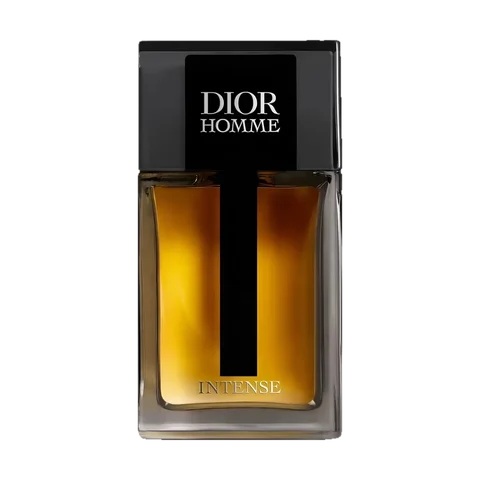 DiorDior Homme IntenseEau de Parfum Intense
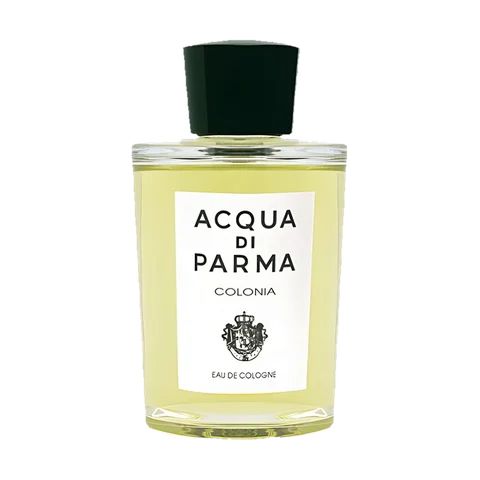 Acqua di ParmaColoniaEau de Cologne
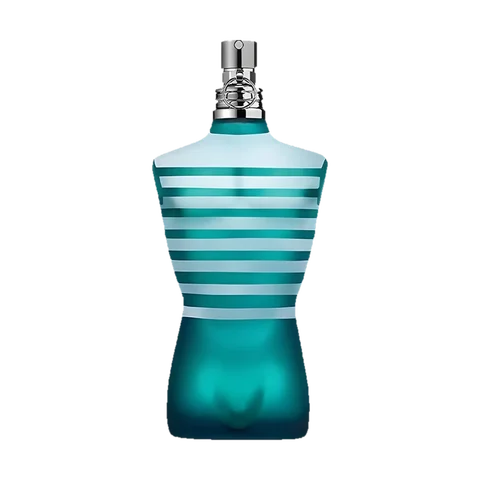 Jean Paul GaultierLe MaleEau de Toilette
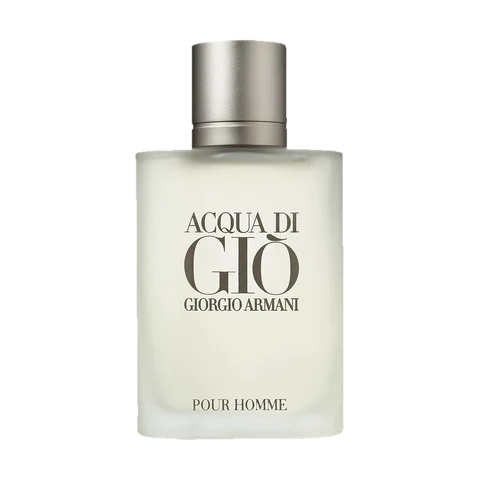 Giorgio ArmaniAcqua di GiòEau de Toilette
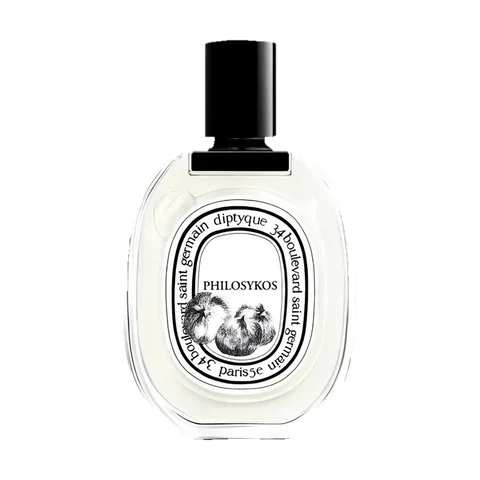 DiptyquePhilosykosEau de Toilette
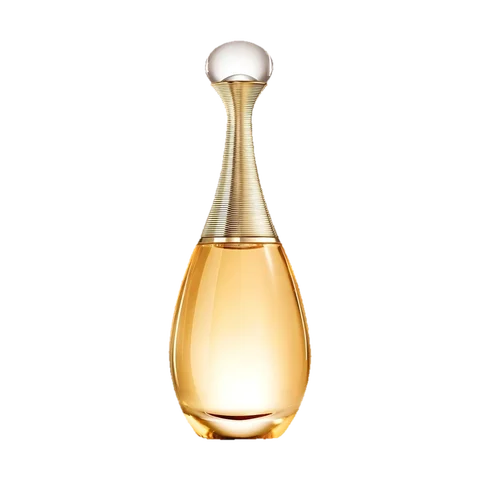 DiorJ'adoreEau de Parfum
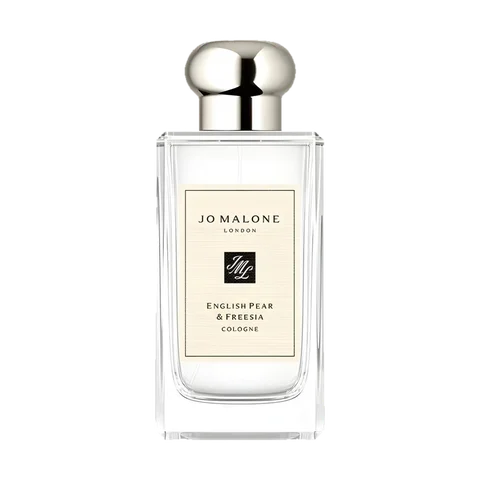 Jo Malone LondonEnglish Pear & FreesiaCologne
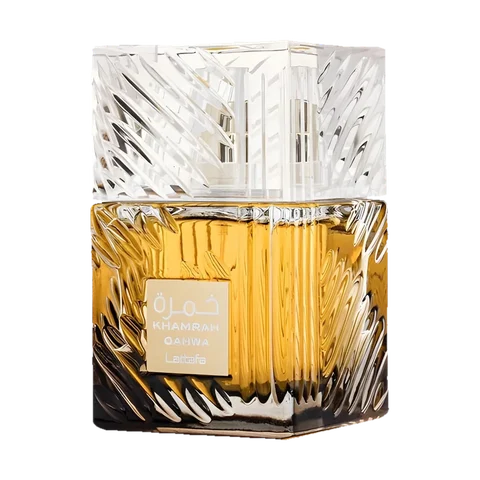 LattafaKhamrah QahwaEau de Parfum
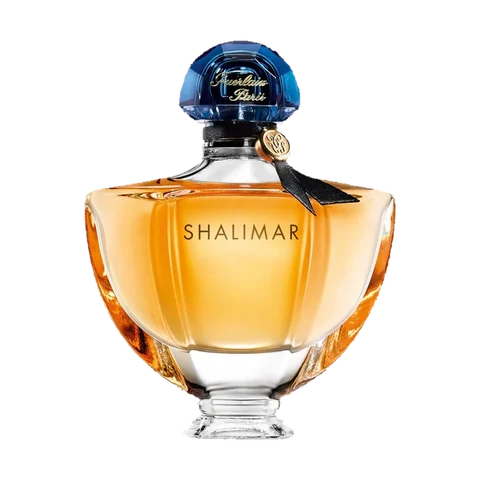 GuerlainShalimarEau de Parfum
 Viktor&RolfSpicebombEau de Toilette
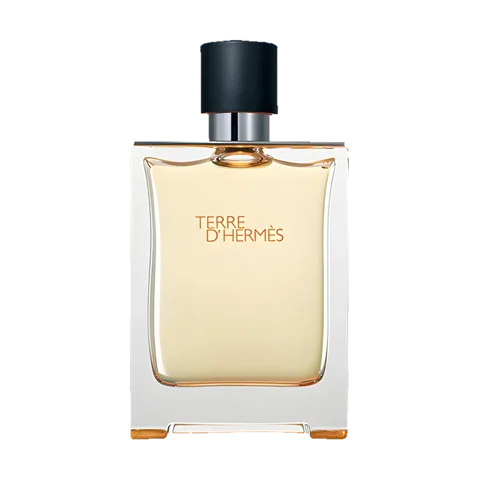 HermèsTerre d'HermèsEau de Toilette
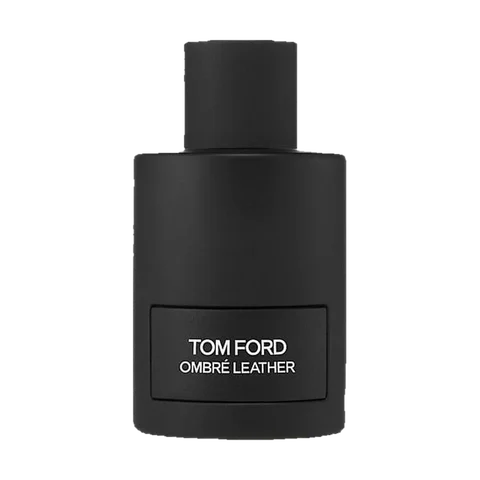 Tom FordOmbré LeatherEau de Parfum
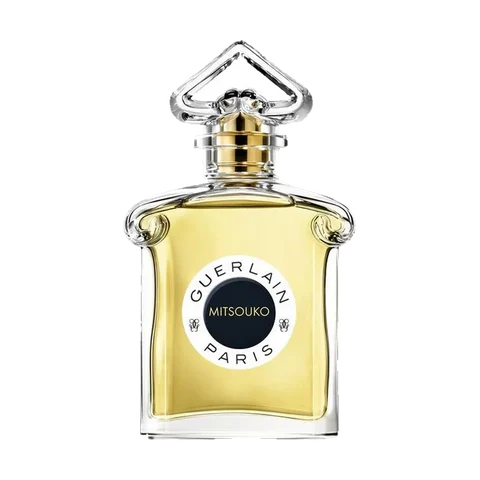 GuerlainMitsoukoEau de Parfum
All thirteen are in the PRFMST app, with their notes, their families and how well they fit your scent DNA.