Skip to content

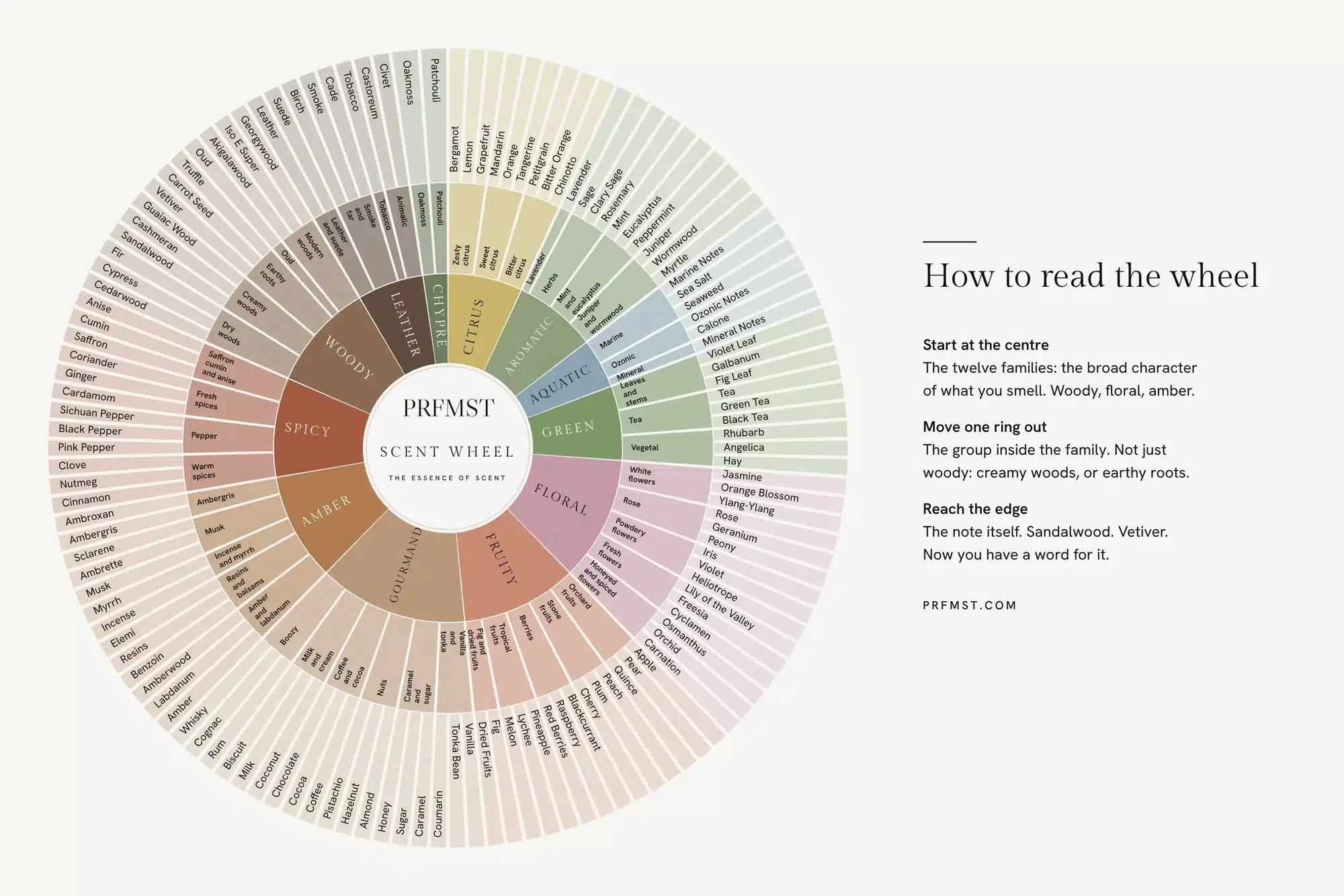
To smell a fragrance properly, put it on skin, give it time, take short sniffs instead of long ones, and name what you smell from broad to exact: first the family, then the group, then the note. That last part is where most of us stall. We know we like it. We can say warm, or fresh, or “a bit like my dad’s car”. The word for the thing itself stays out of reach. This is a method for reaching it, and a wheel to reach it with.
Everything here rests on the twelve fragrance families the PRFMST app uses, and on the PRFMST Scent Wheel, which sorts more than 200 notes into those families and 49 groups between them. Keep the wheel open on your phone while you read. It is the map; this is how to walk it.
Why naming notes is hard, and why it is learnable
Smell goes almost straight to the parts of the brain that handle memory and emotion, and only afterwards to the parts that handle words. That is why a fragrance can take you back to a kitchen in 1998 before you can say “cinnamon”. The feeling arrives first. The label comes late, if it comes at all.
The good news is that the gap closes with a list. Offer the nose a short set of candidates and it picks the right one far more often than it produces the word from nothing. Wine tasters have known this since the 1980s, when Ann Noble at the University of California, Davis drew the first aroma wheel so that students would stop saying “nice”. The wheel does not teach you to smell better. It teaches you to recognise what you already smell.
1. Skin first: where to smell a fragrance
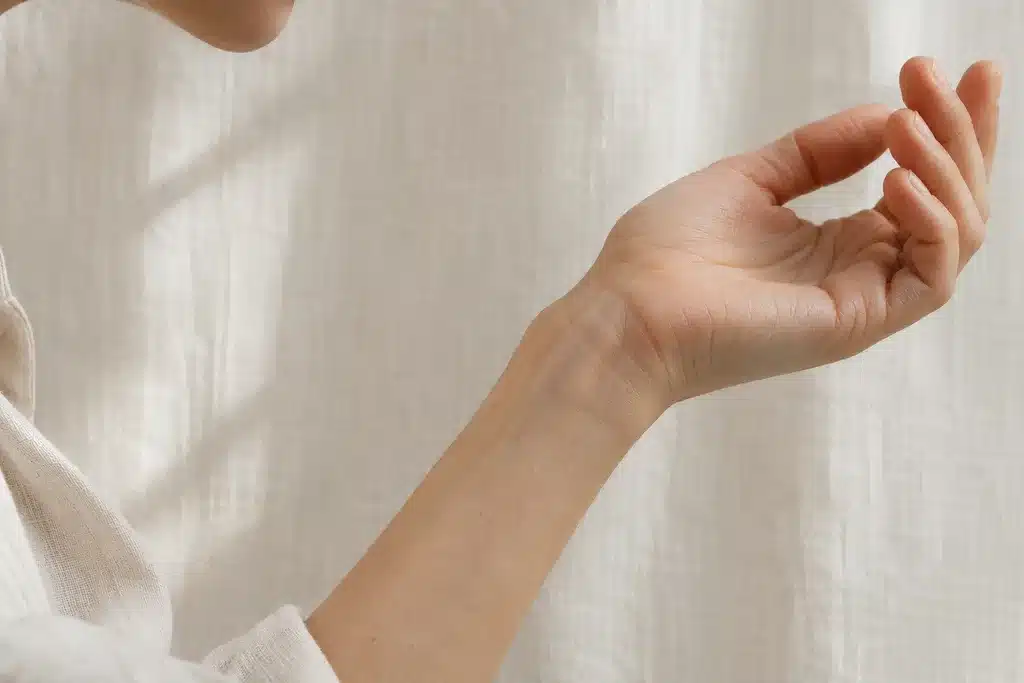
Paper strips are for comparing ten bottles in a shop. For learning, use skin. The inside of the wrist or the crook of the elbow, one spray, no rubbing. Rubbing warms the alcohol off faster and mashes the opening together; just let it sit. Smell from a hand’s width away, not with your nose on the skin, so you get the air around the fragrance rather than the raw liquid.
One fragrance per arm, two at most per session. Smelling five in a row is how you end up with “they all smell the same”, which is true, because by the fifth your nose has stopped reporting. Give it a break between them. Fresh air works. Your own forearm, unsprayed, works too; it resets you to your baseline.
2. The first minute: the top notes
What you smell in the first minute is the lightest material in the bottle: citrus peel, herbs, pepper, the bright green things. These evaporate fastest, which is exactly why they go first. Smell at thirty seconds, then at two minutes. Notice what has already changed. A lemon that was sharp at thirty seconds is softer at two; the sharpness was the alcohol leaving.
Now the wheel. Fresh or warm? Fresh, almost always, at this stage. Then which fresh: Citrus, Aromatic, Green or Aquatic? If it smells like peel, go to Citrus and ask zesty, sweet or bitter. If it smells like a herb garden, Aromatic: lavender, herbs, mint. Pick one word at the edge. Say it out loud. It feels silly and it works; a note you have said is a note you will recognise next time.
3. Twenty minutes: the heart
Walk away. Make tea. Come back at twenty minutes and the fragrance will have changed its mind. The citrus has thinned and something fuller sits underneath: flowers, spices, a resin, a fruit. This is the heart, and it is the part most people mean when they say they like a perfume.
Hearts are where the wheel earns its keep, because Floral is the widest family on it and “it smells like flowers” is not an answer. Ask which flowers. White flowers are heavy and creamy, almost waxy; think jasmine on a warm evening. Rose is tart and a little green. Powdery flowers, iris and violet, are cool and dry, like flour or a compact. Honeyed flowers are sweet in a sticky way. Four groups, four very different smells, one family.
4. Three hours: the base
The base is what is left on your sleeve the next morning. Woods, resins, musks, vanilla, leather: the heavy molecules that cling. Smell at three hours, and again whenever you remember. This is the part of the wheel where people go wrong most charmingly, because almost everything warm gets called “vanilla”.
Test it. Is it sweet like a bakery, or warm like a wooden drawer? Bakery is Gourmand; drawer is Woody or Amber. Within Amber, resins smell like church and old paper, musk smells like clean skin, ambergris smells like salt and warm stone. Within Woody, cedar is pencil shavings, sandalwood is milk and warm wood, vetiver is wet roots. If you have ever stood in a timber yard, you have more vocabulary here than you think.
5. Short sniffs, then check your answer
Two or three short sniffs beat one deep breath. A long inhale floods the receptors and they stop answering; short ones keep them awake. Between sniffs, breathe normally through your mouth for a moment. Then name the note, and only then look at the fragrance’s note list, in the app or on the house’s page. Close counts. If you said “lemon” and the list says “bergamot”, you found the right group; the exact note comes with practice.
Write it down. Three words per stage is plenty: what you smelled at one minute, at twenty, at three hours. A notebook or the rating in the app, it does not matter which, as long as you can look back. After ten fragrances the pattern shows: you will find you always miss iris, or always catch pepper. That is your nose’s profile, and it is worth knowing.
Five fragrances to practise on
Each of these teaches one thing. Wear them in this order over a week or two and you will have met all three stages, four families and the hardest note on the wheel.
The timeline: Acqua di Parma Colonia
Acqua di Parma Colonia (Eau de Cologne) is the clearest lesson in time you can buy. Top: lemon, orange, bergamot. Heart: lavender, rose, lemon verbena, rosemary. Base: vetiver, sandalwood, patchouli. Smell it at one minute and it is pure peel. At twenty the lavender and rosemary step forward, a barber’s shelf. At three hours there is a quiet, dry vetiver you would never have guessed from the opening. The app files it as Citrus, with Aromatic and Woody beside it, which is the timeline in three words.
One note, three faces: Diptyque Philosykos
Diptyque Philosykos (Eau de Toilette) lists fig in all three stages, with a little black pepper at the top. That is the point. Fig the leaf is green and milky and slightly bitter; fig the fruit is soft and sweet; fig the wood is dry and faintly coconut. One word on the wheel, three smells over three hours. If you can follow the fig through the day, you can follow anything. Filed as Green, then Fruity and Woody.
The hardest note: Chanel N°5
Chanel N°5 (Eau de Parfum, by Ernest Beaux; this version by Jacques Polge) opens with aldehydes over bergamot, lemon and neroli, then rose, jasmine and ylang-ylang, then vanilla, sandalwood and vetiver. Aldehydes are the note everyone smells and nobody can name: a cold, fizzy, soapy brightness, like snow or a freshly ironed shirt. On the wheel they sit with the powdery flowers, which is where to look when a fragrance feels “clean” without smelling of anything you can point at. Floral first, Amber underneath.
Sparse and exact: Hermès Terre d’Hermès
Hermès Terre d’Hermès (Eau de Toilette, by Jean-Claude Ellena) is written with very few words: grapefruit at the top, black pepper and mineral notes in the heart, cedarwood at the base. Fewer notes means each one is easier to isolate. The grapefruit is unmistakable in the first minute. The mineral note is the interesting one, flint and wet stone, and it is the reason the wheel has a Mineral group inside Aquatic. Woody, with Citrus and Spicy beside it.
Sweet or warm: Tom Ford Tobacco Vanille
Tom Ford Tobacco Vanille (Eau de Parfum) is the base-note exam. Ginger and spices at the top, tobacco and a fruity note in the heart, tonka bean and cocoa at the base. Ask the bakery-or-drawer question at three hours and the honest answer is both: the tonka is sweet like almond pastry, the tobacco is dry like a cigar box. Learning to hold two answers at once is the last skill on the list. Gourmand, with Spicy and Amber.
How to build your practice set
- If you only have what is on your shelf, use it. Pick the two that feel most different from each other and wear them on opposite arms; contrast is the fastest teacher.
- If you can get samples, choose one per family rather than five favourites. The wheel’s inner ring is your shopping list: a citrus, a floral, a woody, an amber, a gourmand.
- If one note keeps escaping you, smell the raw thing. Iris is hard; a cut-open raw potato and a box of face powder get you most of the way. Vetiver is roots; a handful of damp garden soil is not far off.
- If you want to know your own blind spots, rate ten fragrances in the app and read your scent DNA. The families you reach for are the ones you have trained; the ones you never pick are where the gaps are.
Questions about smelling fragrance
How do you smell perfume properly?
Spray once on skin, do not rub, and smell from a hand’s width away in short sniffs. Check at one minute, twenty minutes and three hours, because the fragrance changes at each stage, and name what you smell from family to group to note.
Why can I not smell my own perfume after a while?
Your nose adapts to a constant smell and stops reporting it, which is useful for living in a house and unhelpful for wearing perfume. Others still smell it. Stepping into fresh air for a few minutes brings it back.
Do coffee beans reset your nose?
They give you a different strong smell to think about, which is not the same as a reset. Clean air, or the smell of your own unsprayed skin, does the job better and costs nothing.
What is the difference between a note and an accord?
A note is one material or one smell, like bergamot or sandalwood. An accord is several notes blended so that they read as one new smell, the way lavender, oakmoss and coumarin together read as a fougère. The wheel lists notes; accords are what you learn to hear between them.
How long does it take to learn fragrance notes?
A few weeks of paying attention, one or two fragrances at a time, is enough to name the family and group of most things you smell. The exact note takes longer and is never finished; that is part of the pleasure.
Start tonight. One spray, one word at one minute, one at twenty, one before bed. Then open the fragrance in the PRFMST app, tap a note you found, and see what else carries it; the next lesson is usually one tap away. Rate what you wore, and your scent DNA will start to show you which families your nose already knows.
Fragrances in this story
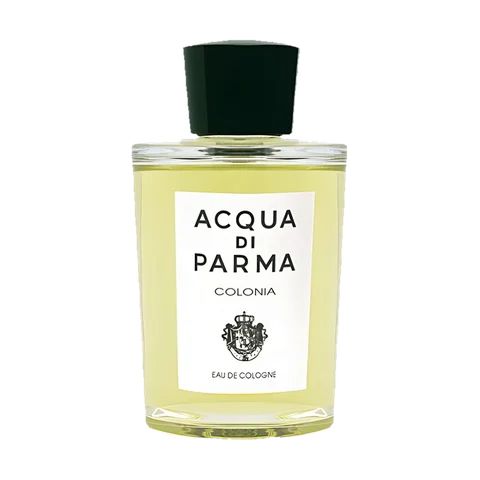 Acqua di ParmaColoniaEau de Cologne
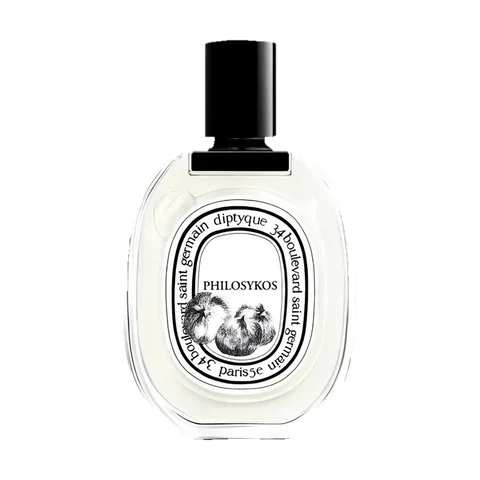 DiptyquePhilosykosEau de Toilette
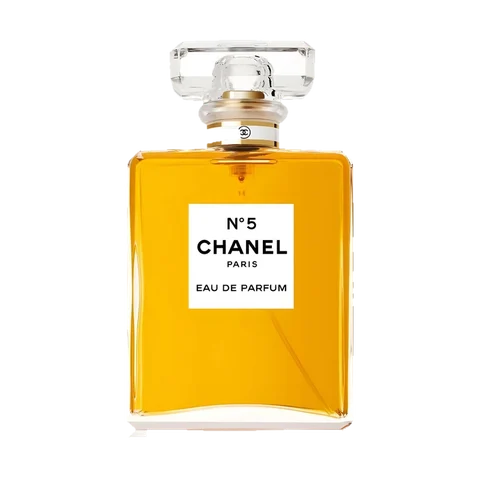 ChanelN°5Eau de Parfum
 HermèsTerre d'HermèsEau de Toilette
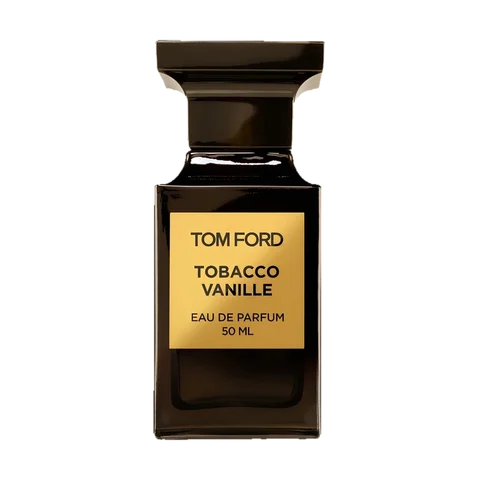 Tom FordTobacco VanilleEau de Parfum
All five are in the PRFMST app with their full note lists, so you can check your answers stage by stage.