Skip to content

No, incense is not only for heavy, dark fragrances. It can be dense and resinous, but in the right hands it turns powdery, spicy, sheer or almost cool. I have come to see incense less as a ritual signal and more as a texture: a thread of smoke that changes whatever it touches.
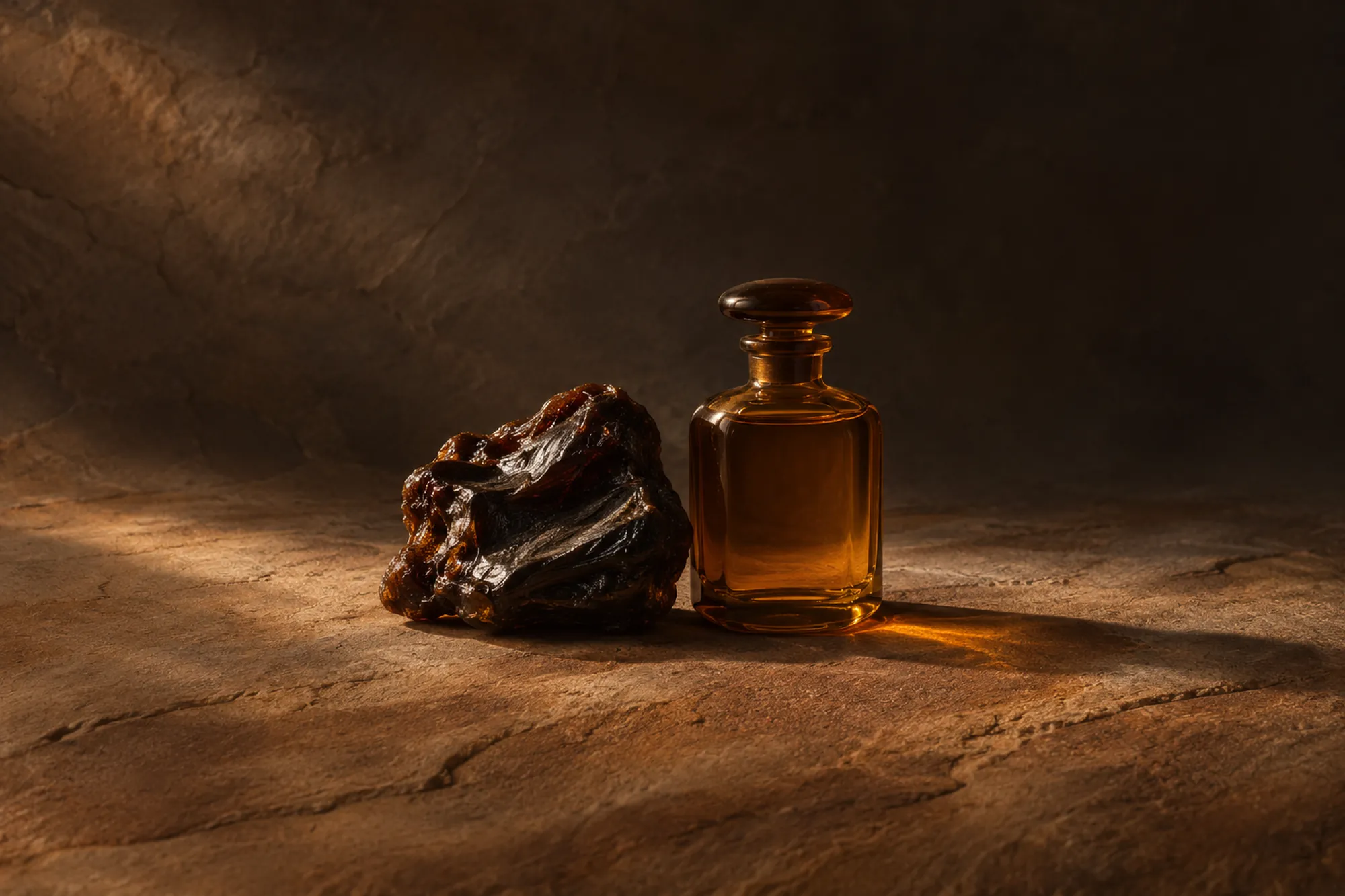
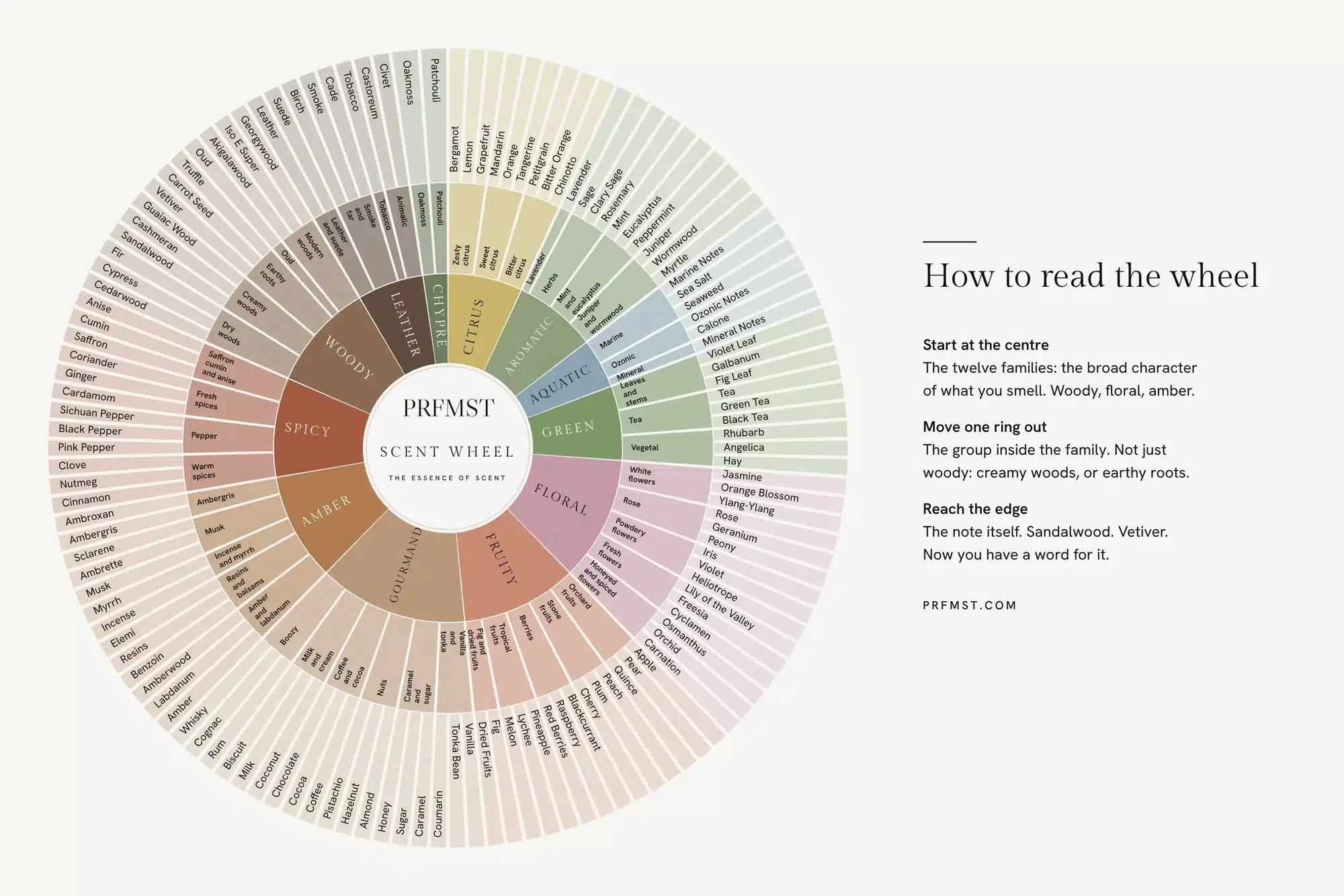
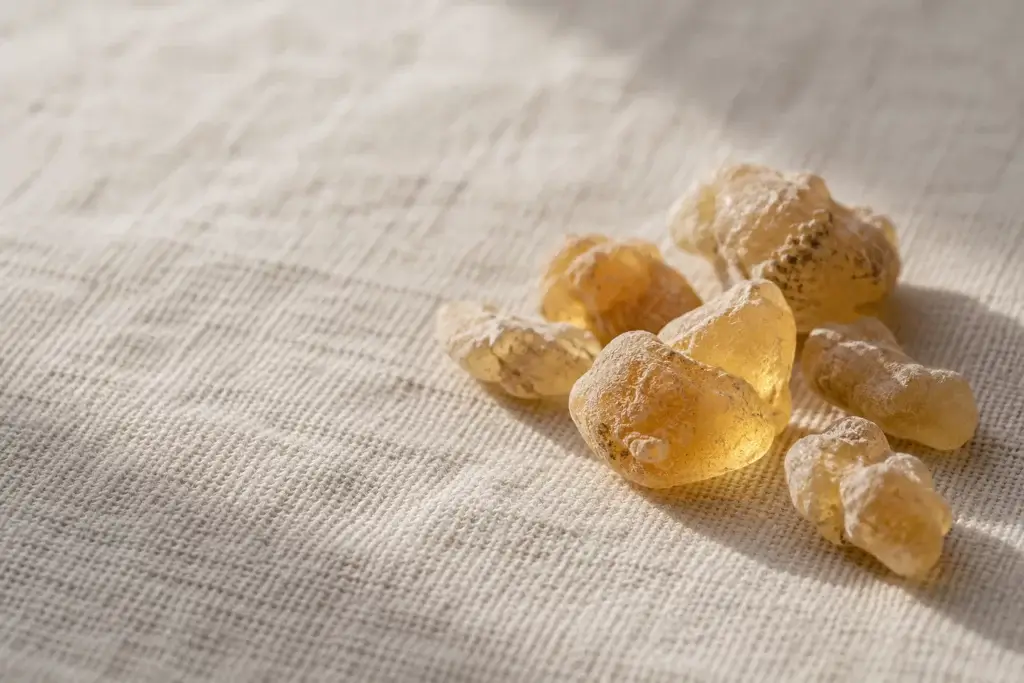
That range starts with the raw material. Frankincense, also called olibanum, is a resin tapped from Boswellia trees, and it is not only smoky. Fresh frankincense opens with a bright, citrus-peel and peppery side before it settles into something dry and balsamic. Perfumers can pull on either end. Lean into the light top and incense feels like cold air in a stone room; lean into the resin and it becomes warm and enveloping. These are the five ways I see them doing it.
1. Incense as light: iris and powder
The most surprising way to wear incense is to let it glow rather than smoulder. Pair it with iris and the smoke turns soft and powdery, closer to light through a high window than to a censer.
Dior Bois d’Argent (Eau de Parfum) is built exactly this way. Dior lists iris in the heart over woods and frankincense in the base. On paper that is a short pyramid, and I think that is its strength: the iris brings a cool, slightly earthy powder, and the incense sits beneath it like a faint grey haze. Nothing competes for attention.
In the app we file it as Woody first, with Amber and Floral close behind, and it is one of the few incense perfumes we tag for the office and everyday wear as well as formal moments. That says a lot about how restrained it is. If you have always assumed incense is not for you, this is where I would start.
2. Incense as warmth: resin, patchouli and vanilla
The second way keeps incense in its traditional, resinous register but softens the edges, so it reads as comfort rather than ceremony.
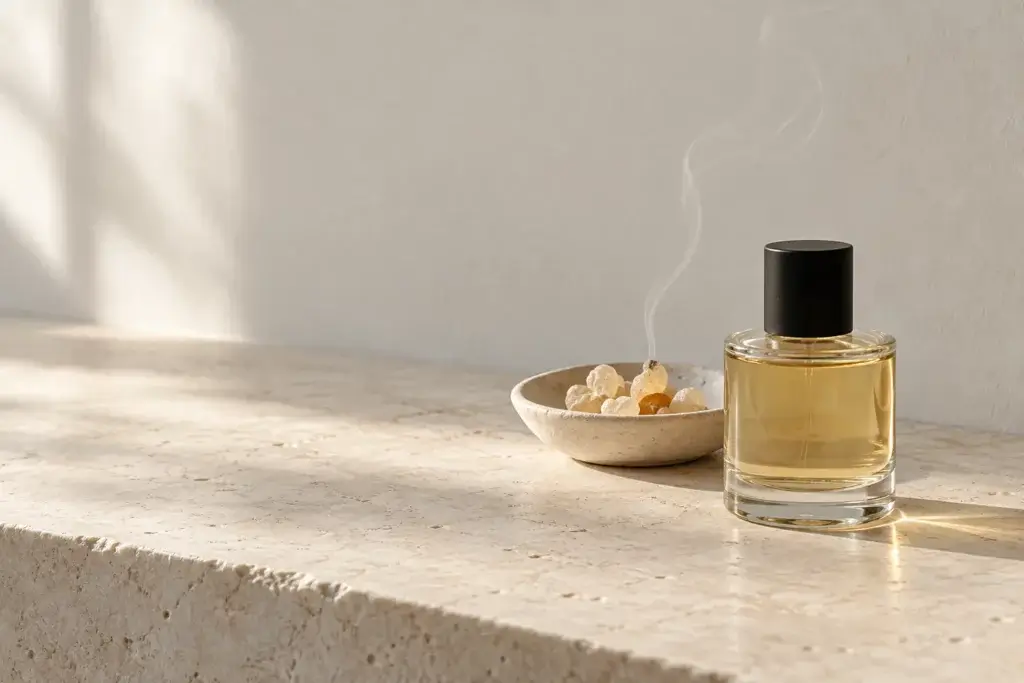
Chanel Coromandel (Eau de Parfum, by Jacques Polge and Christopher Sheldrake) opens with bergamot and orange, moves into patchouli, iris and rose, and settles on benzoin, frankincense and vanilla. To me, benzoin is the key. It is a balsamic resin with a sweet, almost caramel-like warmth, and it wraps around the frankincense so the dry, smoky side never feels sharp. Patchouli adds depth without darkness.
Coromandel sits in the Amber family with a Woody backbone, and in the app it is tagged for autumn and winter, for date nights and evenings out, and for that cosy, quiet-luxury mood. I agree with those tags: this is the incense I would reach for on a cold evening rather than a bright morning. It is rich, but the citrus at the start and the iris in the heart keep it from ever feeling heavy. Think of a lacquered wooden screen rather than a candlelit nave.
3. Incense as spice: pepper, cardamom and juniper
Spices are a natural partner for incense, because frankincense already has a peppery side of its own. Put bright spices on top and the smoke picks up energy; the composition feels fresh rather than brooding.
Rayhaan Vantage (Eau de Parfum) opens with cardamom, bergamot and pink pepper. Frankincense and myrrh sit in the heart beside juniper berry, on a base of vanilla, cedarwood and patchouli. What I find clever here is the juniper. Its crisp, gin-like freshness stops the two resins from closing in, while myrrh, darker and more bitter than frankincense, adds depth without weight.
We place Vantage in the Spicy family, with Amber and Woody underneath, and it is the boldest of the three: tagged dark and bold, for the office as much as a night out. Of these three, it is the one I would recommend if you like your incense with a bit of edge and a smooth, vanilla-soft finish.
4. Incense as air: mineral and cool
The fourth approach takes incense away from warmth altogether. Paired with mineral, aldehydic or airy notes, frankincense reads as cool and clean, like stone walls, smoke in winter air or the inside of an empty gallery.
Here perfumers use the resin’s bright top, often with elemi (a lemony, peppery resin from the same plant family) and with dry woods and very little sweetness. These perfumes sit between the Woody and Aromatic families, and I think they are the easiest incense scents to wear in daylight, simply because nothing about them is heavy.
5. Incense as skin: musk and ambroxan
The last way makes incense almost invisible. Instead of building the perfume around smoke, the perfumer uses a trace of it inside a soft base of musks and ambroxan, so it reads as warm, slightly smoky skin rather than as a note you can name.
This is incense as seasoning. You may not notice it at first, but it gives the drydown a faint, lived-in texture, like a jumper that has been near a fire. These compositions usually sit in the Woody or Amber families, and they suit anyone who wants depth without making a statement.
How to choose your incense
My advice: start from a material you already love, not from the incense itself.
- If you love iris, powder or soft florals, try incense as light, like Bois d’Argent.
- If you like warm, sweet or resinous perfumes, start with incense as warmth, like Coromandel.
- If you reach for fresh spice or gin-like notes, incense as spice is your way in, like Vantage.
- If you prefer clean, cool and quiet scents, look for incense as air or incense as skin.
Incense doesn’t belong to one season, but all three of these are tagged for autumn and winter in the app, and I think that is no coincidence. Cool, dry air keeps the fresh top notes from fading so quickly, and a resin that might feel too thick in August suddenly feels exactly right.
In the PRFMST app, all three fragrances from this story are linked below, with their full note pyramids. Tap a note such as Frankincense or Benzoin to see which other fragrances share it, or check how closely each one fits your scent DNA.